

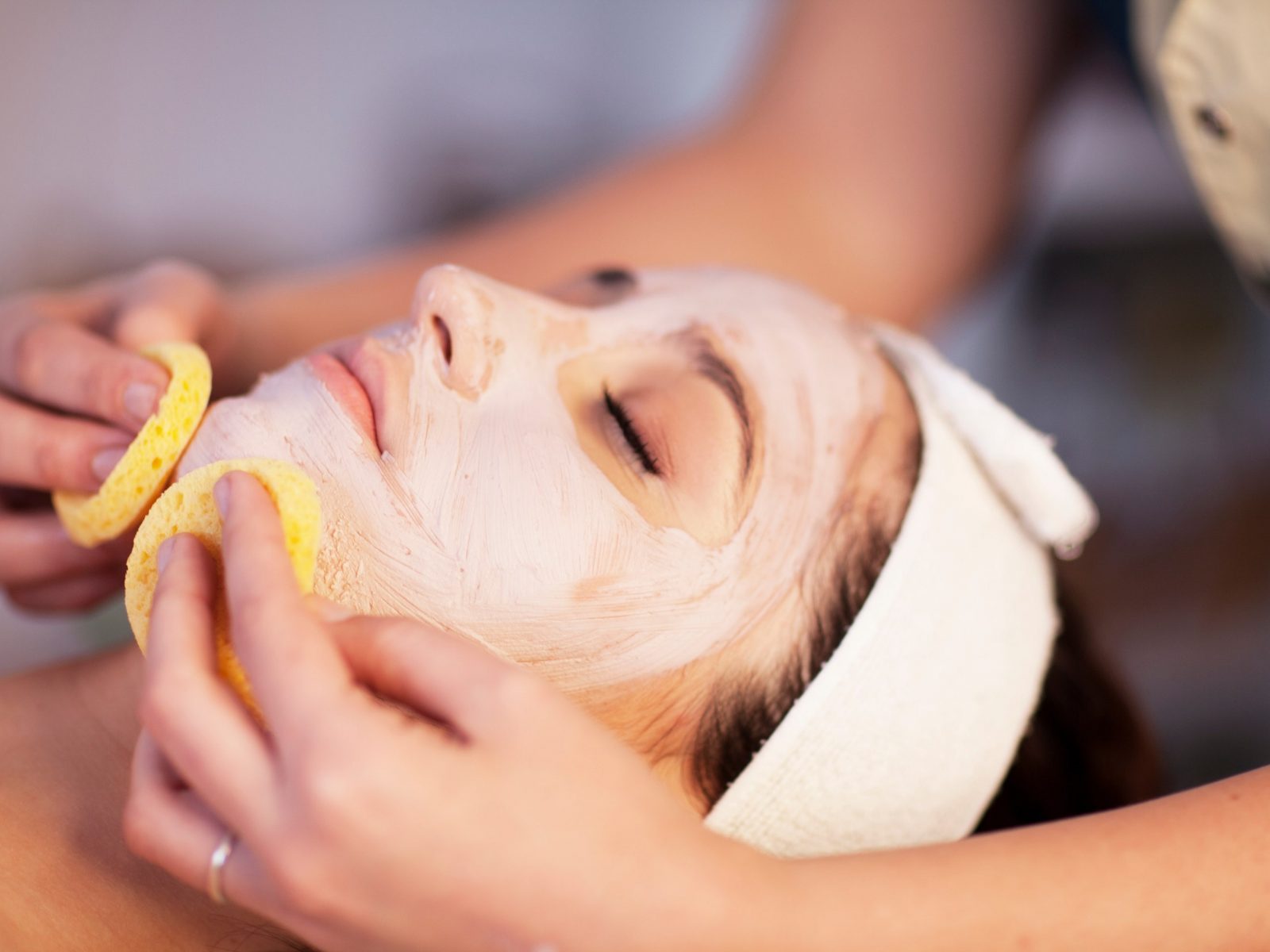
The safest facial for sensitive skin is a gentle one: mild cleansing, no fragrance and nothing harsh. The sources we checked do not rank spa facials, so there is no “best” one. They do say which ingredients and steps tend to irritate, and when to talk to a dermatologist first.
Last updated 3 October 2026. This article summarizes guidance from the American Academy of Dermatology and Cleveland Clinic. It describes what those groups publish and does not replace advice from your own doctor.
What counts as sensitive skin?
Cleveland Clinic says sensitive skin means you react to something that does not usually irritate skin. It lists a raised patch, rash, bumps, dry skin, hives and peeling. You may also feel burning, itching, pain or stinging.
Cleveland Clinic says scented products and ones with harsh chemicals are usual triggers. Laundry detergent, soaps, lotions and makeup can too.
Is a facial for sensitive skin a good idea?
It can be, if it stays gentle, but we found no guidance that says facials help or harm. What we can say comes from the pages on skin care and procedures.
Cleveland Clinic says a damaged skin barrier can come from harsh chemicals or soaps and from over-exfoliating or scrubbing. So ask a spa or clinic how much exfoliation a facial for sensitive skin involves, and which products it uses, before you book.
Which ingredients should a sensitive-skin facial avoid?
If you have rosacea, the American Academy of Dermatology (AAD) lists ingredients worth avoiding. Among them are alcohol, camphor, fragrance, menthol, urea, sodium lauryl sulfate and two acids, glycolic and lactic.
In face masks, the AAD also flags essential oils, which it calls too harsh for direct use on skin, and gritty exfoliants such as ground walnut shells or apricot kernels, which can leave tiny tears. Fragrance, it adds, can irritate or set off an allergic rash.
What do dermatologists suggest instead?
For masks on dry or sensitive skin, the AAD names hyaluronic acid, ceramides, glycerin, colloidal oatmeal and green tea extract. Cleveland Clinic recommends a moisturizer that is free of fragrance and irritants, along with a mild cleanser.
The AAD prefers fragrance-free over “unscented” labels. For washing, it suggests warm water, a mild cleanser and your fingertips, followed by patting dry with a clean cotton towel. See our guide to face wash for dry sensitive skin and face masks for dry skin.
Is a patch test worth doing before a facial?
Before using a new facial mask, the AAD recommends trying it on a few small spots to head off reactions. Its rosacea guidance notes that these trials show which products your skin tolerates.
Before a facial for sensitive skin, ask the spa or clinic which products it plans to use, and test them first. If your skin has reacted before, Cleveland Clinic says a provider may suggest an allergy patch test.
Which treatments need a dermatologist first?
Cleveland Clinic says that if you have very sensitive skin or chronic skin conditions, talk to your dermatologist before getting microdermabrasion. It also lists acne medicines, frequent rashes or cold sores, and eczema or psoriasis as reasons to check first. Side effects it lists include dry or flaky skin, redness and more sun sensitivity.
Before a chemical peel, the AAD says to tell your dermatologist about isotretinoin, all other medicines, frequent cold sores and skin that scars easily.
When should you see a doctor?
-
Symptoms are very bothersome or do not go away with home care. Cleveland Clinic gives this as a reason to see a provider for sensitive skin.
-
Your skin feels worse after a mask or product. The AAD suggests booking a visit with a board-certified dermatologist.
-
You think a condition such as eczema is behind your skin trouble. Cleveland Clinic says a damaged barrier from an underlying skin condition needs a dermatologist’s guidance.
-
Skin stays dry despite moisturizing. Our page on why skin stays dry even when you moisturize explains more, and our eczema treatment guide covers that condition.
Frequently asked questions
Can I get a facial if I have eczema or rosacea?
Ask your dermatologist first. Cleveland Clinic says people with chronic skin conditions such as eczema or psoriasis should talk to a dermatologist before microdermabrasion. For rosacea, the AAD advises mild cleansers, fragrance-free products and avoiding certain ingredients. We found no guidance clearing spa facials for either condition.
How long does it take a damaged skin barrier to heal?
Cleveland Clinic puts the usual wait at three or four months before gentle care starts to show benefits. It advises very gentle handling and a mild, soap-free cleanser with warm water. If an underlying skin condition is behind the damage, work with a dermatologist.
Is fragrance-free the same as unscented?
No, according to the AAD. It recommends fragrance-free products because the chemicals in “unscented” ones can irritate dry, sensitive skin. The AAD adds that fragrance itself can irritate skin or trigger an allergic rash, so read the full ingredient list.
What can I do for my skin after a facial?
We found no aftercare guidance for spa facials. For microdermabrasion, Cleveland Clinic says skin might be a little red, swollen or sensitive for up to 24 hours, and sunscreen matters because skin may be more sensitive to sunlight. Follow your provider’s directions.
Sources (all checked 3 October 2026)
-
Cleveland Clinic, How Do I Know If I Have Sensitive Skin?, updated 2 May 2025.
-
Cleveland Clinic, How To Tell If Your Skin Barrier Is Damaged, dated 14 December 2022.
-
Cleveland Clinic, Microdermabrasion, updated 12 July 2023.
-
American Academy of Dermatology, Do facial masks work, and should I add one to my skin care routine?, updated 3 March 2026.
-
American Academy of Dermatology, 7 rosacea skin care tips dermatologists recommend, updated 3 April 2024.
-
American Academy of Dermatology, Dermatologists’ top tips for relieving dry skin, updated 2 January 2026.
-
American Academy of Dermatology, Chemical peels: Preparation, no date shown on the page.
Written by the Dry Skin Tips editorial team. We do not claim medical review of this article. If you have a skin concern, see a qualified health professional.