

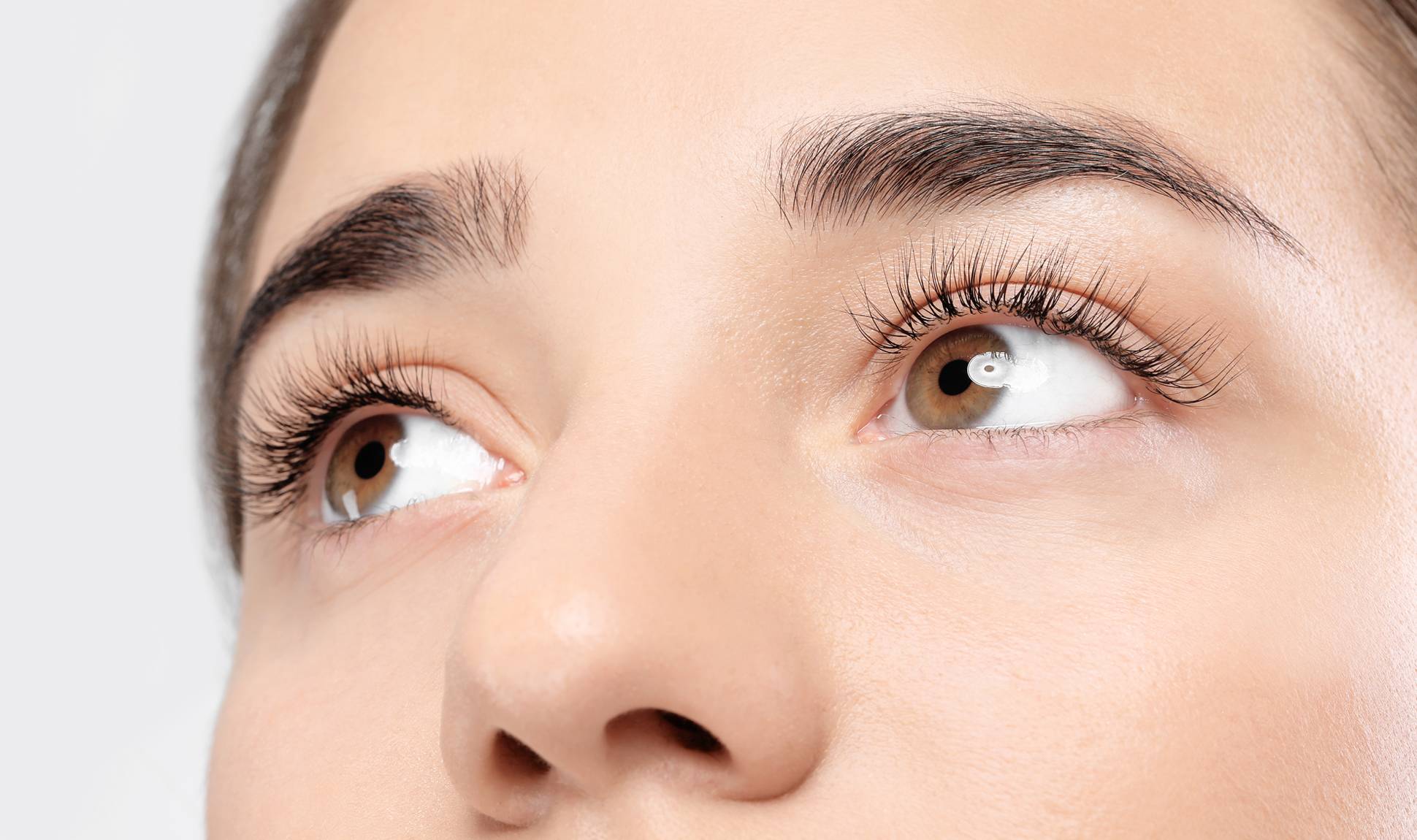
Dry eye-lids show up as scaly, itchy or flaky skin. Cleveland Clinic links them to harsh weather, low humidity, aging, irritating products and allergens. Eczema, psoriasis and eyelid inflammation (blepharitis) can also be behind them. If simple care does not help, see a doctor.
Last updated 3 October 2026. This article summarizes published guidance from Cleveland Clinic, the NHS and the American Academy of Ophthalmology. It cannot stand in for an exam by your own doctor.
What do dry eye-lids look and feel like?
Cleveland Clinic describes dry eyelid skin as scaly, itchy or flaky. It may also show rough, red patches. Cleveland Clinic says anterior blepharitis can look red, sore and swollen, or itchy, crusty and flaky.
If your eyes feel gritty or sore too, read the section on blepharitis below.
What outside factors dry out the lids?
Cleveland Clinic lists these outside factors that can dry out the lids:
- Cold, heat, wind and sun
- Low humidity, indoors or outdoors
- Smoke or chlorine in the air or water
- Aging, as the skin’s collagen and natural oils decline
- Skin care products that irritate the skin
- Allergens such as pollen, dust, metals and cosmetics
Because the list is long, it helps to think about what changed recently. A new makeup, a new cleanser or a dry heated room could all be clues.
Can eczema or psoriasis cause dry eyelids?
Yes. Cleveland Clinic names eyelid dermatitis (a contact type of eczema), atopic dermatitis and psoriasis on the eyelids among the medical causes of dry eyelids.
The two kinds of eczema differ in how they start. Cleveland Clinic says eyelid dermatitis starts when eyelid skin comes into contact with an allergen or an irritant. For psoriasis on the eyelids, it describes scaly, flaky patches of thick, swollen skin, and says scales may even cover the eyelashes.
It also says eczema tends to be itchier than psoriasis. Only a doctor can tell them apart. We cover eczema on the eyelids and psoriasis around the eyes in separate guides.
Can blepharitis cause dry eyelids?
Cleveland Clinic lists anterior blepharitis, which is inflammation of the eyelid, as a cause of dry eyelids. The NHS describes blepharitis as usually not serious. It names sore, itchy eyelids, a gritty feeling in the eyes, crusty lash lines and eyelids that stick together when you wake up.
The American Academy of Ophthalmology (AAO) says blepharitis can come from bacteria at the base of the lashes, oil glands in the lids that do not work well, or tiny Demodex mites in the lash follicles. It adds that it is common in people with oily skin, dandruff or rosacea.
The AAO says blepharitis cannot be permanently removed, but daily lid care and similar steps can keep symptoms in check. The NHS says it is not contagious.
What can you do at home?
For dry lids, Cleveland Clinic’s care list includes:
- Gentle, soap-free cleansing
- Lightweight, hypoallergenic, fragrance-free gels or creams
- A humidifier in dry climates
- Less time in sun, wind and extreme temperatures
- A break from makeup and non-essential skin products
- Petroleum jelly (Cleveland Clinic notes that the AAD recommends it for dry eyelids)
It also says hot water can be harsh on skin, so lower the temperature and limit shower time. For step-by-step routines, see our guides on how to solve dry eyelids and dry eyelids home care.
When should you see a doctor?
Cleveland Clinic says to see a healthcare provider if:
- Self-care does not improve your symptoms.
- You have symptoms beyond dry eyelid skin.
- Your eyes are irritated too.
- You think an allergy or a skin condition may be behind it.
For blepharitis, the NHS advises a GP visit when symptoms stay the same or get worse. It calls for urgent help if you have eye pain, vision changes or severe redness. The AAD says adults with atopic dermatitis who have an eye problem lasting more than a few days should see their dermatologist or eye doctor.
Frequently asked questions
Why are my eyelids so dry and flaky?
Cleveland Clinic lists weather, low humidity, aging, irritating products, allergens, eyelid dermatitis, atopic dermatitis, psoriasis and blepharitis as causes. Think about what changed recently, such as a new product. If you cannot find a cause, or care at home does not help, a doctor can work out which one it is.
Can an allergy dry out the eyelids?
Yes, an allergy can dry out the eyelids. Cleveland Clinic names allergens such as pollen, dust, metals and cosmetics as causes of dry eyelids, and says allergic contact dermatitis is one type of eyelid dermatitis. If you suspect an allergy, it advises seeing a provider, who can help you find the trigger.
Should you wear makeup when the lids are dry?
Cleveland Clinic suggests taking a temporary break from makeup and non-essential products while the skin recovers. With blepharitis, the NHS tells you to leave off eye makeup, eyeliner and mascara in particular, until symptoms ease. It also says to avoid contact lenses during that time.
How do you know if it needs a doctor?
Cleveland Clinic says to see a provider if self-care does not improve your symptoms, if you have symptoms beyond dry eyelid skin, or if your eyes are irritated too. The NHS adds that blepharitis which is not improving, or is getting worse, needs a GP.
Sources (all checked 3 October 2026)
- Cleveland Clinic, Dry Eyelids: Possible Causes, Care & Treatments, updated 13 February 2024.
- Cleveland Clinic, Eyelid Dermatitis, updated 25 October 2021.
- Cleveland Clinic, Psoriasis on the Eyelids, updated 25 May 2023.
- NHS, Blepharitis, reviewed 12 June 2025.
- American Academy of Ophthalmology, What Is Blepharitis?, published 1 December 2025.
- American Academy of Dermatology, Adults with eczema should watch for eye problems, no date shown on the page.
Written by the Dry Skin Tips editorial team. We do not claim medical review of this article. If you have a skin concern, see a qualified health professional.