

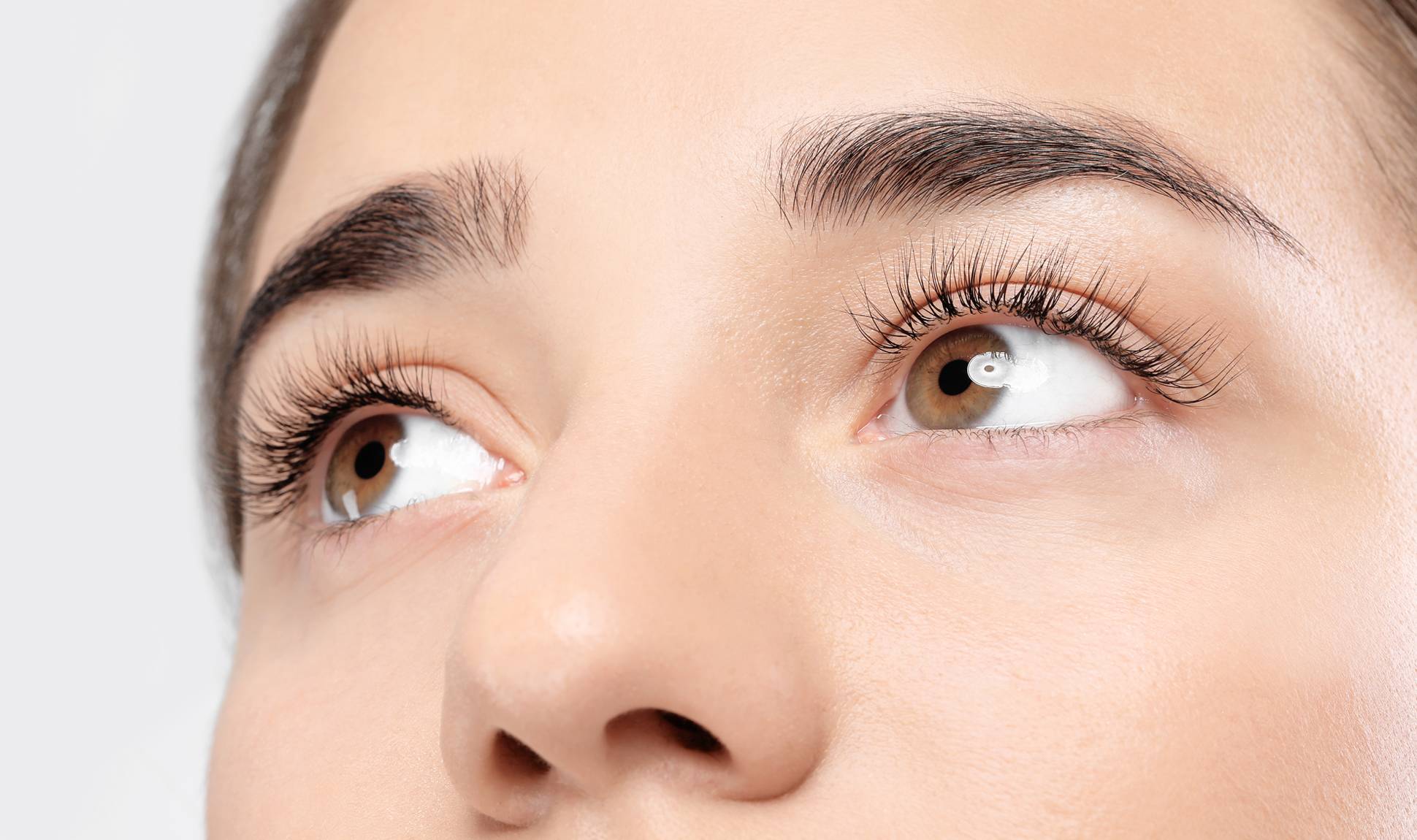
Dry eyelids usually respond to gentle care. Cleveland Clinic suggests soap-free cleansing, a fragrance-free gel or cream, a humidifier in dry climates and a break from makeup. If those steps do not help, or your eyes are irritated too, see a doctor, since eczema or eyelid inflammation can be behind it.
Last updated 3 October 2026. This article summarizes published guidance from Cleveland Clinic, the American Academy of Dermatology, the NHS and the American Academy of Ophthalmology. Questions about your own eyelids are best put to a doctor.
What is the first step for dry eyelids?
Work out whether dry eyelid skin is the only symptom. Cleveland Clinic says to see a provider if you have symptoms beyond dry skin on the lids, if your eyes are also irritated, or if you suspect an allergy or skin condition behind it.
If the lids are simply dry, the steps below follow Cleveland Clinic’s care list. For possible causes, see our guide to dry eyelids and what triggers them.
How do you care for the lids day to day?
Cleveland Clinic’s care list suggests:
- Cleanse gently. Use soap-free products; it names a soap-free cleanser designed for sensitive skin.
- Moisturize with the right type. It names lightweight gels or creams that are hypoallergenic and fragrance-free.
- Consider petroleum jelly. Cleveland Clinic notes that the AAD recommends it for dry eyelids.
- Add humidity. It suggests a humidifier in dry climates.
- Protect from the weather. It advises limiting sun, wind and extreme temperatures.
- Pause makeup. It says to avoid makeup and non-essential skin products for a while.
The American Academy of Dermatology (AAD) adds general dry skin tips. It says to keep baths and showers to five to ten minutes in warm water and to moisturize several times a day, including while skin is still damp. It also says creams and ointments outperform lotions at adding moisture. Take care near the eyes, and ask a doctor which products suit your lids.
What should you avoid?
Cleveland Clinic says hot water can be harsh on skin, so lower the temperature and limit shower time. It also lists these to avoid or cut back:
- Long hot showers
- Long exposure to sun, wind and cold
- Cosmetics and other non-essential products while the skin recovers
- Soaps (it says to use a soap-free cleanser designed for sensitive skin)
For eczema, the AAD advises steering clear of products that merely claim to be “unscented,” because they can still contain fragrance that triggers flares. It suggests trying a new product on the inside of your arm for a week to 10 days first. Our page on dry eyelid home care goes into routines in more detail.
Could something else be causing it?
Cleveland Clinic names several conditions behind the dryness: eyelid dermatitis, atopic dermatitis, psoriasis on the eyelids and anterior blepharitis.
If you have eczema on your eyelids, Cleveland Clinic says to see a provider instead of trying home treatments. It says providers may prescribe corticosteroid or calcineurin inhibitor medicines.
Blepharitis differs, since daily lid care is part of managing it. The NHS says to soak a clean cloth in warm water and hold it on a closed eyelid for 5 to 10 minutes. The American Academy of Ophthalmology (AAO) says to hold a warm compress on the lid for at least one minute, then gently clean the base of the lashes. These pages are about blepharitis, so ask a doctor before using them for plain dry skin.
When should you see a doctor?
Cleveland Clinic lists four reasons to see a provider: self-care that is not working, symptoms beyond dry skin, irritated eyes, or a suspected allergy or skin condition.
With blepharitis, the NHS advises a GP visit if symptoms stay the same or worsen, and urgent help for eye pain, vision changes or severe redness. The AAD says rashes that blister or turn into open sores, are painful, involve the eyes, or show signs of infection need medical attention.
Frequently asked questions
What is the best moisturizer for the lids?
No source we read ranks products. Cleveland Clinic describes the type to look for: lightweight, hypoallergenic, fragrance-free gels or creams. It also notes that the AAD recommends petroleum jelly for dry eyelids. The AAD rates creams and ointments above lotions for adding moisture. Ask your provider if you are unsure.
Can makeup dry out the lids?
Yes, it can. Cleveland Clinic lists cosmetics among allergens that can cause dryness and says to avoid makeup and non-essential products while the skin recovers. With blepharitis, the NHS says to leave off eye makeup, eyeliner and mascara above all, while symptoms last.
Do dry lids mean dry eyes?
Not necessarily, but the two can overlap. Cleveland Clinic says to see a provider if your eyes are irritated as well as your lids. The NHS lists a gritty feeling in the eyes among blepharitis symptoms, which can come with sore, itchy eyelids. A doctor can sort out which one you have.
Does a humidifier help?
Cleveland Clinic suggests a humidifier in dry climates for dry eyelids. The AAD recommends one for dry skin in general, notably while you sleep. Neither page says how much improvement to expect, so treat it as one supporting step alongside gentle care.
Sources (all checked 3 October 2026)
- Cleveland Clinic, Dry Eyelids: Possible Causes, Care & Treatments, updated 13 February 2024.
- Cleveland Clinic, Eyelid Dermatitis, updated 25 October 2021.
- American Academy of Dermatology, Dermatologists’ top tips for relieving dry skin, updated 2 January 2026.
- American Academy of Dermatology, Atopic dermatitis skin care, updated 10 October 2023.
- American Academy of Dermatology, Rash 101 in adults, updated 22 January 2024.
- NHS, Blepharitis, reviewed 12 June 2025.
- American Academy of Ophthalmology, What Is Blepharitis?, published 1 December 2025.
Written by the Dry Skin Tips editorial team. We do not claim medical review of this article. If you have a skin condition, see a qualified health professional.