

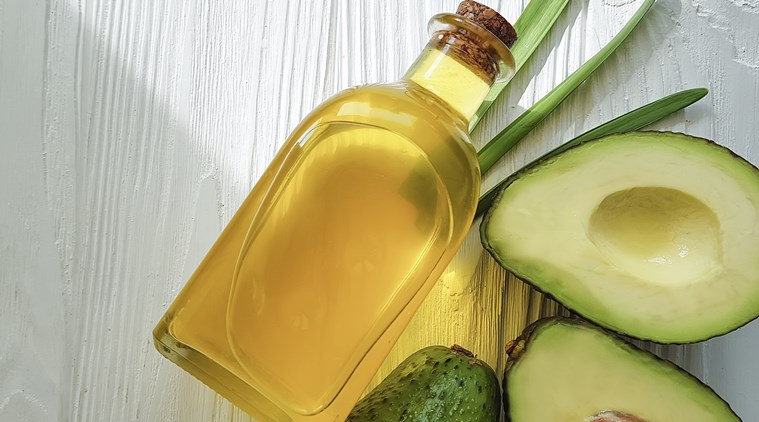
Avocado oil for skin has some lab and animal research behind it, but little proof in people. If you try it, patch test first, use a small amount on damp skin, and add sunscreen. Skip it on the face if you break out easily, since many face oils can clog pores.
Last updated 3 October 2026. This article summarizes a published review and guidance from Cleveland Clinic and the American Academy of Dermatology (AAD). It does not replace advice from your own doctor.
What have studies found about avocado oil for skin?
A 2019 review in the journal Molecules looked at avocado oil’s uses. For skin, it mentions a human report in which avocado oil added to a vitamin B12 cream was well tolerated and showed potential for long-term treatment of psoriasis. The review gives few details on study size.
It also describes rat studies on collagen and wound healing. The results were mixed, and some pointed in different directions. The review also says there is a lack of knowledge about the potential health effects of consuming avocado oil, and the skin findings it describes are limited to one human cream report and animal studies. So claims that avocado oil heals or rebuilds skin go beyond this evidence.
Cleveland Clinic’s article on avocado oil is mostly about eating it. It mentions that skin products often contain vitamin E, which is also found in the oil, to moisturize the skin and protect against sun damage. It gives no advice on putting the oil on your skin.
See also our page on avocado oil benefits for skin.
How do you patch test avocado oil for skin?
Test first, before your first full application. Here are the AAD’s steps:
- Choose an area about the size of a quarter that clothing will not rub and water will not wash away. The AAD names the underside of the arm and the elbow bend.
- Put a typical serving of the product there in the morning and again in the evening, for seven to 10 days.
- Look for redness, itching or swelling.
If irritation starts, the AAD says to rinse the product off quickly and stop using it. For comfort, it lists a cool compress or petroleum jelly. The sources we read give no details on avocado allergy, so the patch test is your check.
What is the right way to apply avocado oil?
No dermatology page we found gives a method for avocado oil. These tips come from advice about moisturizers and oils in general:
- Apply to damp skin. The AAD says to moisturize while skin is still damp after a shower or bath, and after washing your hands.
- Use a little. Cleveland Clinic says of olive oil that a dab goes a long way, and that is a fair rule for any oil.
- Think about the body first. Cleveland Clinic lists dry areas such as elbows, knees, hands and feet as places to apply coconut oil.
- Do not skip sunscreen. Cleveland Clinic warns that olive oil gives no sun protection, so the same caution makes sense here. For daytime, the AAD points to sunscreen that is broad-spectrum and water-resistant, rated SPF 30 or above.
Our guides to body oil for dry skin and face oil for dry skin go deeper on where oils fit in a routine.
Is avocado oil for skin safe on your face?
Be careful. Cleveland Clinic says many face oils are comedogenic, meaning they can block pores, and that people with acne-prone skin, seborrheic dermatitis or rosacea should avoid them. That article does not rate avocado oil, so we cannot say whether it clogs pores. If you break out easily, ask a dermatologist first.
For comparison, Cleveland Clinic calls coconut oil highly comedogenic. Read our coconut oil for skin guide if you are weighing oils.
Can avocado oil replace your moisturizer?
The AAD says ointments and creams add more moisture than lotions, and it lists ingredients such as glycerin, hyaluronic acid, petrolatum and shea butter. Avocado oil is not on its list. A plant oil may still feel moisturizing, but the AAD’s own advice is to pick a product with those ingredients if your dry skin is stubborn.
When should you see a doctor?
Stop using the oil and see a doctor if you get a rash, swelling or itching. A board-certified dermatologist can help find the cause, the AAD says, and you may need patch testing.
Also see a dermatologist if dry skin lasts after you follow basic care. The AAD says it may signal a condition such as atopic dermatitis or psoriasis. Do not use avocado oil in place of treatment prescribed for a skin condition.
Frequently asked questions
Can avocado oil hydrate the skin?
Some people find it moisturizing, but the sources we read do not test that. The 2019 review mostly describes lab and animal work, plus one human psoriasis report using a cream that contained the oil. For dry skin, the AAD favors a cream or ointment put on while the skin is still damp.
Can I put avocado oil on my face overnight?
We found no source that covers this. Cleveland Clinic warns that many face oils clog pores and that acne-prone skin, seborrheic dermatitis and rosacea are reasons to avoid them. Patch test first, and ask a dermatologist if your skin is sensitive or breaks out.
Is the avocado oil in a salad the same as skincare oil?
The sources do not compare them. Cleveland Clinic’s article is about avocado oil as food, and it suggests unrefined, cold-pressed oil for cooking. It does not say which type belongs on skin. Check the label of any skincare product and patch test it.
Is avocado oil a sunscreen substitute?
No source says it does. Cleveland Clinic warns that olive oil has no sun protection and leaves skin open to sunburn without sunscreen, and the same logic is sensible for other plain oils. Instead, the AAD’s advice is a daily sunscreen labeled broad-spectrum and water-resistant, with SPF 30 or above.
Sources (all checked 3 October 2026)
- Molecules via PubMed Central, Avocado Oil: Characteristics, Properties, and Applications, 2019.
- Cleveland Clinic, Yes, Avocado Oil Is Good for You, published 19 December 2024.
- Cleveland Clinic, Are Face Oils Good for Your Skin?, published 25 August 2022.
- Cleveland Clinic, Is Coconut Oil Good For Your Skin?, published 29 December 2022.
- Cleveland Clinic, How Olive Oil Benefits Your Skin, published 6 May 2025.
- American Academy of Dermatology, Dermatologists’ top tips for relieving dry skin, last updated 2 January 2026.
- American Academy of Dermatology, How to test skin care products, updated 10 August 2021.
Written by the Dry Skin Tips editorial team. We do not claim medical review of this article. If you have a skin concern, see a qualified health professional.