

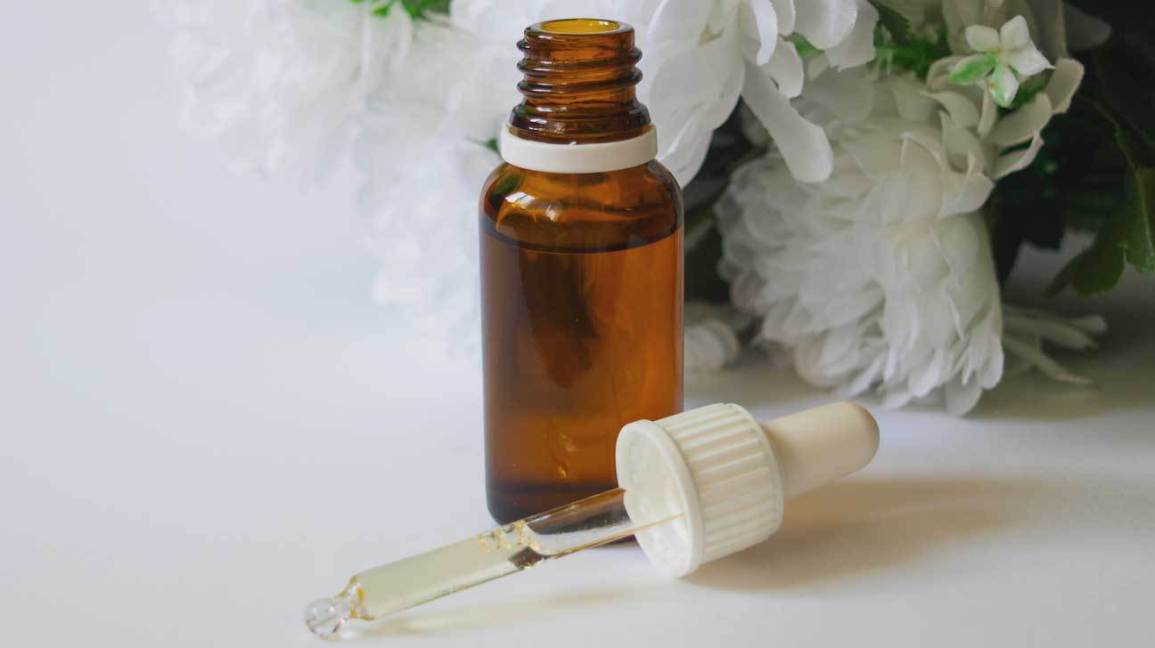
Argan oil for eczema is a popular natural idea. A Cleveland Clinic dermatologist says argan oil can help dry, sensitive skin, but more research is needed on its claims. The American Academy of Dermatology (AAD) leans toward a rich cream or ointment in its eczema tips for children. Test any oil first.
Last updated 3 October 2026. This article collects guidance from Cleveland Clinic, the AAD, the NHS and NCCIH. It reports what those sources say and does not replace advice from your own doctor.
Can argan oil for eczema really help?
Cleveland Clinic’s article on argan oil quotes a dermatologist who says it can be used to help dry, sensitive skin for people who want more natural options. The same article says people with conditions such as eczema or psoriasis may find it useful.
That is a cautious, general statement. It is not a treatment plan. The page does not describe a study showing argan oil clears eczema, and it says more research is needed on some of the other benefits people claim for it.
The National Center for Complementary and Integrative Health (NCCIH) adds a broader note. It says there have been only a few studies of complementary approaches for skin conditions, and those studies often had methodological problems.
What is argan oil?
Cleveland Clinic explains that argan oil comes from the nuts of the argan tree and has been used in many ways for centuries. It describes a mix of fatty acids and other plant compounds, including squalene.
Because it is an oil, it softens skin and can help keep water in. That is a general property of many oils and is different from treating the inflammation behind eczema.
What do dermatologists recommend for eczema moisturizers?
The AAD’s skin care tips for children with eczema lean toward thick products. It suggests a rich cream or ointment and singles out petroleum jelly as an affordable, fragrance-free choice that suits many children.
For children, the AAD says to apply moisturizer at least twice a day and to pat the skin partially dry after a bath. Its dry-skin tips say to apply moisturizer right after bathing while skin is still damp. If a child has prescribed skin medicine, the AAD says to apply it first and put moisturizer on top. The NHS also advises using moisturizing treatments, called emollients, at least twice a day, and keeping on with them when eczema improves.
None of these pages lists argan oil as a recommended eczema treatment. The AAD page does not discuss natural oils at all.
How do you try argan oil for eczema safely?
Cleveland Clinic’s advice is simple. Choose an oil with no added fragrance or preservatives, because those can make eczema worse. Start with one small patch of skin and expand only if nothing reacts.
The AAD lays out a routine for testing any new skin product:
-
Put your usual amount on one small area, for instance the underside of an arm or inside the elbow bend.
-
Do this two times a day for a week to ten days.
-
If a reaction begins, rinse the product off gently and stop using it.
Afterward, the AAD says a cool compress or petroleum jelly may ease the discomfort. Do not test on skin that is already broken, weeping or infected.
Which oils should you skip for eczema?
Cleveland Clinic’s eczema home-remedy article says a dermatologist advises keeping olive oil in your diet and off your skin. The article says research suggests olive oil may weaken the skin barrier or cause a fungal rash.
For the face, a separate Cleveland Clinic article on face oils says people with seborrheic dermatitis or rosacea should be careful with oils. It also warns against strongly scented oils, such as lavender or tea tree, because they can irritate or cause allergic reactions.
If you want to compare oils, see our guide to jojoba oil vs argan oil. For ready-made eczema products, read about over-the-counter eczema treatment.
When is it time to see a doctor about eczema?
For children, the AAD says to see a dermatologist if skin care has not been a regular part of the child’s treatment. The NHS says to see a GP if you or your child have symptoms of atopic eczema, or if treatments are not working.
The NHS says to get urgent help if eczema becomes blistered, crusty or leaking fluid, or shows signs of infection. NCCIH advises you to talk with your health care providers about any complementary approach you use. If skin stays dry even when you moisturize, our page on why skin stays dry after moisturizing covers other causes.
Frequently asked questions
Is argan oil a good choice for eczema on the face?
Cleveland Clinic says argan oil can help dry, sensitive skin, and its face-oil article lists argan among common face oils. The same article says people with seborrheic dermatitis or rosacea should be careful with oils. Patch test first, and ask a dermatologist before adding an oil to a face routine, especially if the skin is inflamed.
Does argan oil replace eczema medicine?
No source we checked says so. The AAD’s child eczema tips point to thicker creams or ointments used at least twice daily, with any prescribed medicine put on first. The NHS describes emollients as a core part of eczema care. Treat argan oil for eczema, at most, as an extra you try with your doctor’s agreement.
What should I look for on an argan oil label?
Cleveland Clinic says there should be no added fragrance or preservatives, because they can make eczema worse. The AAD adds that products labeled “unscented” can contain chemicals that mask smells and may irritate sensitive skin, so it says to look for “fragrance-free” instead.
Can argan oil cause a reaction?
Any skin product can. That is why the AAD advises a short trial on a small spot, running from a week to ten days. If redness, itching or a rash appears, wash it off and stop. If the reaction is strong or does not settle, the AAD says to see a dermatologist.
Sources (all checked 3 October 2026)
-
Cleveland Clinic, 5 Skin and Hair Benefits of Argan Oil, dated 1 August 2022.
-
Cleveland Clinic, Stop the Itch: Home Remedies To Help Manage Eczema, dated 9 February 2024.
-
Cleveland Clinic, Are Face Oils Good for Your Skin?, dated 25 August 2022.
-
American Academy of Dermatology, Eczema: Tips to help your child feel better, page date not shown.
-
American Academy of Dermatology, How to test skin care products, dated 10 August 2021.
-
American Academy of Dermatology, Dermatologists’ top tips for relieving dry skin, updated 2 January 2026.
-
NHS, Atopic eczema: treatment, reviewed 6 September 2024.
-
NCCIH, Complementary health approaches for skin conditions, page date not shown.
Written by the Dry Skin Tips editorial team. We do not claim medical review of this article. If you have a skin concern, see a qualified health professional.