

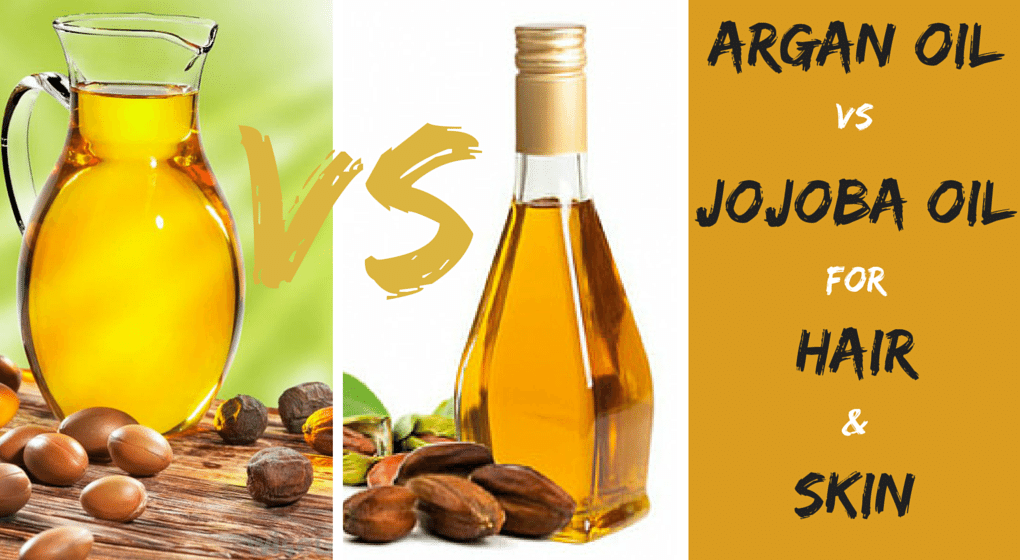
In the jojoba oil vs argan oil debate, neither is a clear winner. Cleveland Clinic likens jojoba to the skin’s own oil and describes argan as a moisturizer for dry, sensitive skin. Research on both is limited, so patch test first.
Last updated 3 October 2026. This article summarizes published guidance from Cleveland Clinic and two research reviews. It is no substitute for your own doctor’s advice.
How do jojoba oil and argan oil differ?
Jojoba oil comes from the nut of an evergreen plant native to North America. Cleveland Clinic says it contains very long-chain fatty acids that resemble the skin’s natural sebum (the oil your skin makes).
Argan oil comes from argan tree nuts. Cleveland Clinic lists unsaturated and saturated fatty acids, polyphenols, squalene and triterpene alcohol among its compounds, plus vitamin E and antioxidants.
Which is better for dry skin?
Cleveland Clinic says argan oil suits people with dry, sensitive skin, eczema or psoriasis. It names linoleic and oleic acids as very hydrating, and says the oil may help protect the skin barrier.
For jojoba oil, Cleveland Clinic suggests applying it at night as the last layer of a routine, after toners and serums. See our guide to a face oil for dry skin for more on layering.
Which is better for acne-prone skin?
Cleveland Clinic’s dermatologist says jojoba oil mimics the skin’s natural oils, so it should not overhydrate the skin, make it too oily or block pores. He adds that it can reach into follicles and bring anti-inflammatory molecules deeper in.
A 2021 review of jojoba oil lists anti-acne activity among its reported uses. Note that Cleveland Clinic’s general page on face oils warns that, unless a product is labeled noncomedogenic, oils may clog pores and flare acne. Read our page on jojoba oil and acne for more.
What about hair?
Cleveland Clinic says jojoba oil’s fatty acids hold in moisture, so hair can look thicker and less brittle. It advises applying it from the roots down and avoiding the scalp itself to prevent bacterial growth.
For argan oil, Cleveland Clinic says it can reduce frizz, protect against heat and make split ends less visible. A dermatologist there says it may not suit your scalp, especially if your hair is oily, and overuse can promote seborrheic dermatitis. Our page on jojoba oil for hair goes deeper.
What does research show about the two oils?
Less than the ads suggest. A 2024 review of argan oil says its mechanisms of action are not completely understood. Its calls for more clinical trials appear in the context of gut-health findings, so we do not apply them to skin. Cleveland Clinic says argan oil may improve elasticity but that more evidence is needed, and that it will not effectively treat acne scars or stretch marks.
The 2021 jojoba review’s toxicity section mostly describes tests in animals (mice, rabbits, guinea pigs and rats). It also reports human patch and prick tests that showed no allergic reactions except in very allergic individuals. See also our guide on argan oil for eczema.
Jojoba oil vs argan oil at a glance
| Jojoba oil | Argan oil | |
|---|---|---|
| Source | Nut of an evergreen plant native to North America | Argan tree nuts |
| What Cleveland Clinic says it suits | Acne-prone skin, hair (not the scalp) | Dry, sensitive skin, eczema, psoriasis; frizzy hair |
| Caution named | Patch test if you have eczema, psoriasis, rosacea or acne | Fragrance and preservatives can worsen eczema; may not suit an oily scalp |
| Evidence limit | Toxicity data described mostly from animal tests plus human patch tests | Mechanisms not completely understood |
Safety first: patch testing and when to see a doctor
Whichever you pick in the jojoba oil vs argan oil choice, start small.
Cleveland Clinic calls an allergy to jojoba oil very uncommon, yet people with eczema, psoriasis, rosacea or acne should patch test first and watch for hives and itching. For argan oil, it says to try a small area before using more, and to choose pure oil in a dark glass bottle to avoid fragrances and irritants.
Cleveland Clinic advises talking to a dermatologist before adding anything new if you have any skin issues. Stop using an oil that causes burning, a rash or swelling.
Frequently asked questions
Is it fine to combine jojoba oil and argan oil?
The sources we read do not compare using the two together. Cleveland Clinic describes each oil separately. If you want to try both, add one at a time and patch test each, so you can tell which one caused a reaction.
Which of the two suits oily skin better?
Cleveland Clinic says jojoba oil should not leave skin too oily or block pores. A 2024 review describes one study in which a cream containing argan oil, used twice daily for four weeks, was followed by less sebum in people with oily skin. Continued use brought no further improvement, and it was a cream, not pure oil. If breakouts get worse, stop and ask a dermatologist.
Do jojoba oil and argan oil cause allergies?
Cleveland Clinic says reports of an allergy to jojoba are very uncommon. For argan oil, it warns that added fragrances and preservatives can make eczema worse. Any plant product can irritate some people, which is why a patch test on a small area comes first.
Can either oil replace a moisturizer or sunscreen?
The sources do not say either oil replaces a moisturizer. Cleveland Clinic suggests jojoba as the last step of a night routine. Neither page presents these oils as a sun protection product. If you use either oil in the daytime, ask a dermatologist how to fit sunscreen into your routine.
Sources (all checked 3 October 2026)
-
Cleveland Clinic, How Jojoba Oil Benefits Your Hair and Skin, updated 26 July 2023.
-
Cleveland Clinic, Argan Oil: Skin and Hair Benefits, updated 1 August 2022.
-
Cleveland Clinic, Are Face Oils Good for Your Skin?, 25 August 2022.
-
Polymers review, Jojoba Oil: An Updated Comprehensive Review, 24 May 2021.
-
Nutrients review, The Importance of Argan Oil in Medicine and Cosmetology, 21 October 2024.
Written by the Dry Skin Tips editorial team. We do not claim medical review of this article. If you have a skin concern, see a qualified health professional.