

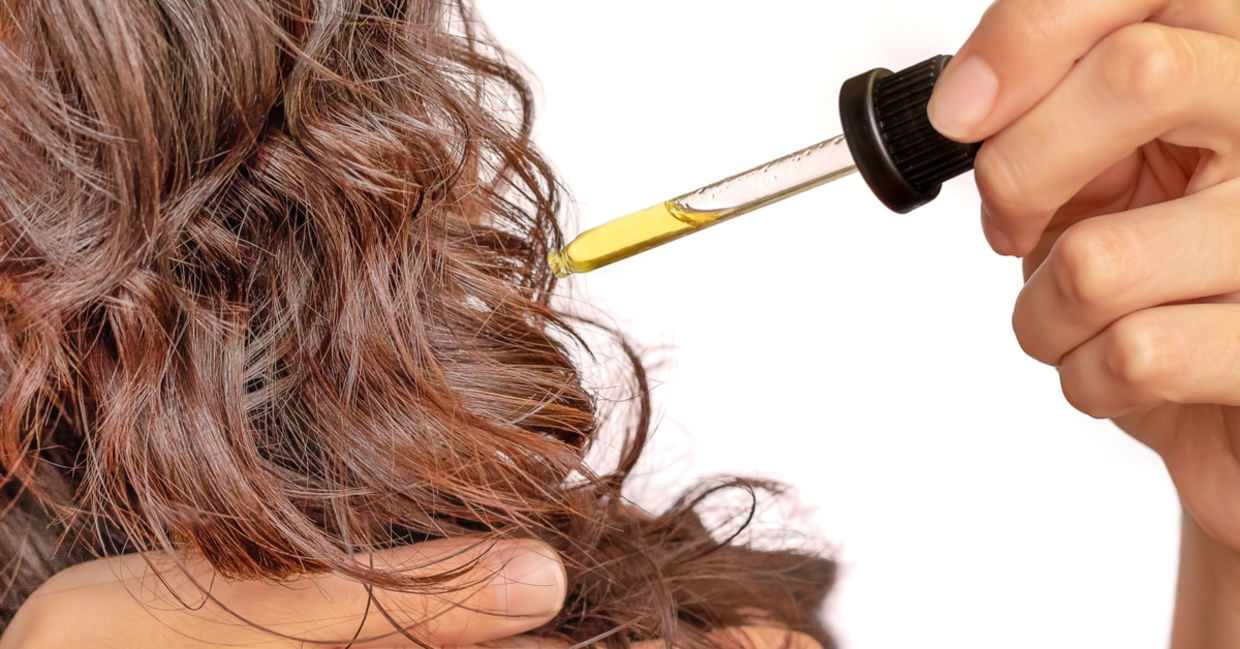
The main jojoba oil benefits for hair, per Cleveland Clinic, are as a leave-in conditioner for dry, brittle hair and split ends. It says the oil helps hair hold moisture. The sources also warn against putting oil on the scalp. Claims that jojoba oil grows hair rest on weak evidence.
Last updated 3 October 2026. This article summarizes guidance from Cleveland Clinic, the American Academy of Dermatology and a published review. Talk with your own doctor before acting on any of it.
What are the jojoba oil benefits for hair?
Cleveland Clinic suggests trying jojoba oil as a leave-in conditioner if your hair is weak, brittle or dry, or has many split ends. According to the same page, fatty acids with long chains in the oil help strands keep their moisture. That can make strands look thicker and less brittle.
Cleveland Clinic also says copper and zinc in jojoba oil matter for hair growth and hair synthesis. That describes the nutrients, not a result you should expect from using the oil.
Is hair growth among the jojoba oil benefits for hair?
The evidence is not strong. A 2021 review in the journal Polymers says jojoba oil has been used for hair growth throughout history. It also reports jojoba oil used as a conditioning agent, such as in straightening emulsions, where it benefited the hair fiber and improved breakage resistance. The review does not present any study showing that the oil grows hair, and our reading is that the evidence for growth is weak.
The jojoba oil benefits for hair that are best backed are about moisture, not regrowth. Hair loss can have several causes, and the American Academy of Dermatology (AAD) says that finding the cause early gives you a better shot at the outcome you want. An oil will not answer that question.
Is jojoba oil okay on the scalp?
Cleveland Clinic advises against it. It says many hair oils can sit on the scalp, encourage bacteria and may spark inflammation. Its page suggests applying jojoba oil to the roots of the hair but keeping it off the scalp.
A separate Cleveland Clinic page on hair oiling quotes a dermatologist who says it is best to steer clear of oiling your scalp. The dermatologist links it to a higher risk of seborrheic dermatitis, which causes dandruff. People prone to dandruff should avoid hair oiling, the page says.
Which hair types suit hair oiling?
Cleveland Clinic’s hair oiling page says dry, coarse, tightly curled hair may benefit from oiling. Fine, straight hair may feel weighed down. If your hair goes limp, use less oil or skip it.
Our pages on grapeseed oil for hair, sunflower oil for hair and carrier oils for hair look at other options. See also jojoba oil vs argan oil.
How is jojoba oil applied to hair?
The sources give only general guidance. For oils in general, Cleveland Clinic’s hair oiling page says to use a pea-sized amount on dry hair, working from the middle of the strands to the ends. It says to leave the oil in for 20 minutes to an hour before washing out. That page does not mention jojoba oil, so treat this as a general method.
The jojoba page also says to try a new ingredient on a small, limited area of skin first. It adds that an allergy to jojoba oil is very uncommon, though hives and itching are possible.
When to see a doctor
See a dermatologist if you notice hair loss. The AAD says a board-certified dermatologist can find the cause. If you often have dandruff or a flaky scalp, ask a doctor before oiling, since Cleveland Clinic links scalp oiling to dandruff. Stop any product that causes hives, itching or irritation.
Frequently asked questions
Is jojoba oil good for dry, brittle hair?
It may help as a conditioner. Cleveland Clinic suggests jojoba oil as a leave-in conditioner for weak, brittle or dry hair and for split ends. It says its fatty acids help hold moisture. Cleveland Clinic’s hair oiling page adds that oil on the ends only hides split ends for a while, because it is a short-term fix.
Should jojoba oil go on the scalp?
No, says Cleveland Clinic, which advises keeping it off the scalp because oils can sit there, feed bacteria and cause inflammation. Its hair oiling page says people prone to dandruff should avoid hair oiling. If your scalp is itchy or flaky, see a doctor.
Can jojoba oil cause hair growth?
Not reliably. A 2021 review notes that jojoba oil has a long folk history for promoting hair growth, but it does not present any study showing that the oil grows hair. Our reading is that the evidence is weak. See a dermatologist to find the cause of hair loss rather than relying on an oil.
Is jojoba oil safe for hair?
Mostly, yes. Cleveland Clinic says the risk of allergy is very low and reports are uncommon. Hives and itching are possible. A 2021 review says human patch tests showed no allergic reactions except in highly allergic people. Test a small area of skin first, and stop using it if you get a reaction.
Sources (all checked 3 October 2026)
- Cleveland Clinic, How Jojoba Oil Benefits Your Hair and Skin, published 26 July 2023.
- Cleveland Clinic, Hair Oiling: 3 Benefits and How To Do It, published 31 August 2022.
- Polymers, Jojoba Oil: An Updated Comprehensive Review on Chemistry, Pharmaceutical Uses, and Toxicity, 2021.
- American Academy of Dermatology, Hair loss: Tips for managing, no date shown on the page.
Written by the Dry Skin Tips editorial team. We do not claim medical review of this article. If you have a skin concern, see a qualified health professional.