

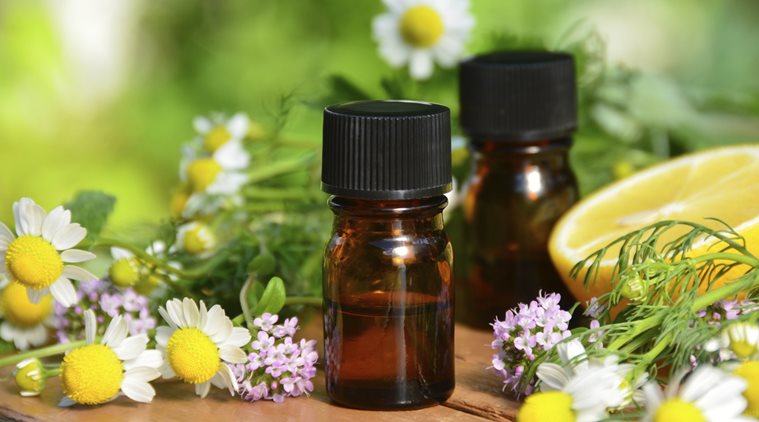
The phrase healing oils is a loose one, and the evidence behind it is mixed. Dermatology pages say oils can moisturize dry skin, but for a minor cut the American Academy of Dermatology (AAD) names petroleum jelly rather than a plant oil. Some oils can also clog pores or cause allergic reactions, so test first.
Last updated 3 October 2026. This article summarizes guidance from the AAD, Cleveland Clinic and the National Center for Complementary and Integrative Health (NCCIH). Personal medical questions belong with your own doctor.
What are healing oils?
There is no medical definition. People use the phrase for plant oils such as olive or coconut oil, and sometimes for essential oils. This guide looks at what the dermatology and health pages say about oils on skin. It does not cover swallowing oils or breathing them in as aromatherapy.
Can healing oils help a cut or scrape?
The AAD’s advice for a minor cut starts with clean hands. Rinse the wound with cool or lukewarm water and mild soap, then press on it until bleeding stops. Next comes petroleum jelly, which keeps the wound moist so it heals faster, reapplied until the skin closes. A sterile bandage goes over the top.
The AAD names petroleum jelly, not a plant oil. It also warns that antibiotic creams and ointments may irritate the skin further.
Cleveland Clinic says olive oil “acts as a second skin barrier and aids wound healing”. That claim appears in a consumer health article that cites a dermatologist, so treat it as an opinion rather than a tested wound treatment. Cleveland Clinic’s coconut oil article also lists mild wound soothing among the oil’s uses.
Which healing oils do dermatologists mention for dry skin?
For dry skin, Cleveland Clinic describes olive oil as a worthwhile moisturizer when skin is dry or sensitive. Its article on coconut oil lists moisturizing as the main benefit and suggests it for dry areas such as elbows, knees, hands and feet.
The AAD’s list of moisturizer ingredients for dry skin includes jojoba oil, along with items such as glycerin, petrolatum and shea butter. It adds that ointments and creams deliver more moisture than lotions. For more, see our guides to body oil for dry skin and face oil for dry skin.
What are the risks of these oils?
Oils are not harmless just because they are natural. Here is what the sources say:
-
Clogged pores. Cleveland Clinic calls coconut oil highly comedogenic, meaning a pore clogger, and says people prone to acne should not use it on the face. Its face oil article says many face oils can block pores and that people with acne-prone skin, seborrheic dermatitis or rosacea should avoid them.
-
Sun. Cleveland Clinic cautions that olive oil offers no sun protection, so wearing it without sunscreen leaves skin open to sunburn.
-
Allergy. The NCCIH says topical products containing lavender may cause allergic skin reactions in some people. Cleveland Clinic’s face oil article also warns against strongly scented oils such as lavender or tea tree, which can irritate or trigger allergies.
-
Children. The NCCIH notes a few reports of breast tissue swelling in children who used topical lavender products. It says it is unclear whether lavender caused it.
Our page on coconut oil for soft skin and our essential oil recipes article should be read with these cautions in mind.
How do you patch test an oil?
For a trial run, the AAD suggests a small coin-sized area that will not get rubbed, such as the inner arm or the bend of the elbow. Use the oil there twice daily for seven to 10 days. Redness, itching or swelling points to a reaction.
If that happens, the AAD says to wash the oil off promptly and stop using it. A cool compress or some petroleum jelly can ease the skin.
When should you see a doctor?
The AAD says to get medical care right away if a cut is longer than three-quarters of an inch, deeper than a quarter inch, or will not stop bleeding. Signs of infection, such as pus or growing redness, swelling or pain, also call for a doctor or dermatologist.
For dry skin, the AAD says to see a dermatologist if it lasts after you follow its tips, since it may signal a condition such as atopic dermatitis or psoriasis. Stop using any oil that causes a rash.
Frequently asked questions
Do healing oils work better than petroleum jelly on cuts?
The AAD’s cut-care page recommends petroleum jelly for keeping a wound moist and says nothing about plant oils. Cleveland Clinic’s comments on olive oil and wound healing come from a dermatologist’s opinion in a health article. We found no source that shows a plant oil works better than petroleum jelly on a cut.
Is it safe to use these oils on the face?
It depends on your skin. Cleveland Clinic says many face oils are comedogenic and that people with acne-prone skin, seborrheic dermatitis or rosacea should avoid them. It also says to be careful with strongly scented oils. A small-spot test and your dermatologist’s advice are the safest start.
Do essential oils count as healing oils?
People use the term that way, but safety differs. The NCCIH notes that lavender products on skin may cause allergic reactions in some people. Cleveland Clinic’s dermatologist warns against strongly scented oils like lavender or tea tree on the face. Ask a doctor before using them, especially on children.
Can I use oil instead of sunscreen?
No. Cleveland Clinic says olive oil does not protect from the sun and that using it without sunscreen primes skin for sunburn. For sun safety, the AAD recommends sunscreen that is broad-spectrum, water-resistant and SPF 30 or above, plus shade and protective clothing. Keep sunscreen separate from any oil, and check with your doctor if unsure.
Sources (all checked 3 October 2026)
-
American Academy of Dermatology, How to treat minor cuts, updated 11 February 2022.
-
American Academy of Dermatology, Dermatologists’ top tips for relieving dry skin.
-
American Academy of Dermatology, How to test skin care products, updated 10 August 2021.
-
Cleveland Clinic, How Olive Oil Benefits Your Skin, published 6 May 2025.
-
Cleveland Clinic, Is Coconut Oil Good For Your Skin?, published 29 December 2022.
-
Cleveland Clinic, Are Face Oils Good for Your Skin?, published 25 August 2022.
-
NCCIH, Lavender: Usefulness and Safety, updated February 2025.
Written by the Dry Skin Tips editorial team. We do not claim medical review of this article. If you have a skin concern, see a qualified health professional.