

The dry skin remedies with the best support are simple habits, not special ingredients. The American Academy of Dermatology (AAD) says dermatologists suggest short warm showers, gentle fragrance-free products, moisturizer several times a day, a clean humidifier, gloves and loose cotton clothes. Here are eight habits, plus when to see a doctor.
What are the best dry skin remedies to start with?
Dry skin happens when skin loses water faster than it can keep it. So the most useful dry skin remedies do two jobs: they stop water from escaping, and they cut back on whatever is stripping the skin. Most of these dry skin remedies cost very little and need no special products.
The AAD says its tips can help people heal very dry skin at home. None of the pages we read promise a quick fix or a cure. If you are still wondering why your skin dries out, start with our guide on what causes dry skin.
Which dry skin remedies start in the shower?
Bathing habits come first because water, heat and soap can all pull moisture out of the skin. A couple of tweaks go a long way here.
1. Keep showers short and warm
The AAD recommends limiting a bath or shower to five to ten minutes in warm water. It adds a tip many people have never heard: close the bathroom door, which it says helps hydrate the skin more.
When you get out, pat yourself with a clean dry towel. The AAD warns that rubbing dry can irritate skin that is already very dry.
2. Use a gentle cleanser, and less of it
According to the AAD, dry skin is damaged skin, so it needs a light touch. Use just enough cleanser to lift dirt and oil, and stop before you see a thick lather. You can also limit it to the places that truly need it, such as the armpits and groin.
Per the NHS, everyday soaps, shampoos and shower gels tend to dry the skin out. For dry or itchy skin it suggests a leave-on emollient (a moisturizing product) used as a soap substitute. You mix a small amount with a little warm water in your palm, spread it on, rinse and pat dry. No lather appears, yet the NHS says the skin still gets clean. If you prefer a regular wash, our page on the best face wash for dry skin explains what to look for on a cleanser label.
Which home remedies for dry skin work after you wash?
Moisturizer is the centerpiece of the dry skin remedies in every source we checked. The details are what matter: when you apply it, how often and which type you pick.
3. Moisturize when skin is still damp, several times a day
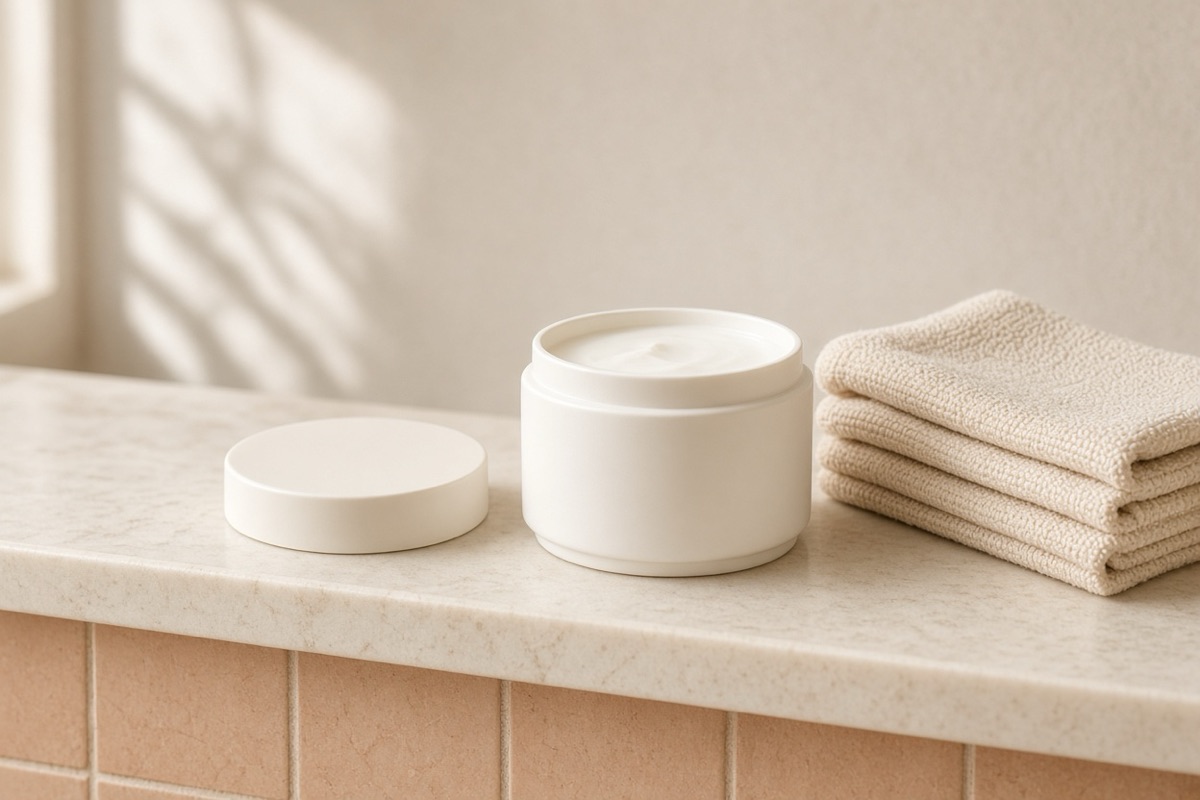
The AAD calls moisturizer a key part of healing dry skin. The advice is to put it on while skin is still damp after bathing, after every hand wash, and whenever dryness returns. Massage it in gently.
The NHS gives a similar rule. It says emollients are best applied right after you have patted dry, since that is when skin needs moisture most. The NHS says ideally this happens at least three or four times a day, and it notes that hands and face deserve extra attention because they are exposed to the weather more than any other body part. It also describes emollients as very safe and says you cannot overuse them.
For lips, the AAD suggests lip balm or petroleum jelly. If your lips sting or tingle afterward, it says to switch to a different balm.
4. Pick a cream or ointment, and check the label
Not every moisturizer works equally well. The AAD says creams and ointments add more moisture than lotions, and it recommends products marked “fragrance-free.” It warns that “unscented” is not the same thing, because those products can contain chemicals that cover other smells, and those chemicals may irritate dry, sensitive skin.
The NHS describes the choices this way: lotions are thin and not very moisturizing, creams suit daytime because they are less greasy, and ointments are thick and suit very dry skin and night. It suggests you may need to try a few before you find the one that suits you, such as a cream by day and an ointment at night. For your hands, see our best hand cream for dry skin guide, and for arms and legs, our body lotion for dry skin page.
The AAD’s ingredient list for creams and ointments includes glycerin, hyaluronic acid, lanolin, petrolatum and shea butter, among others. For a step-by-step plan that puts this together, read our skin care routine for dry skin.
Can your home and clothes work as dry skin remedies?
Yes. The last four dry skin remedies are about what surrounds your skin all day.
5. Add moisture to the air
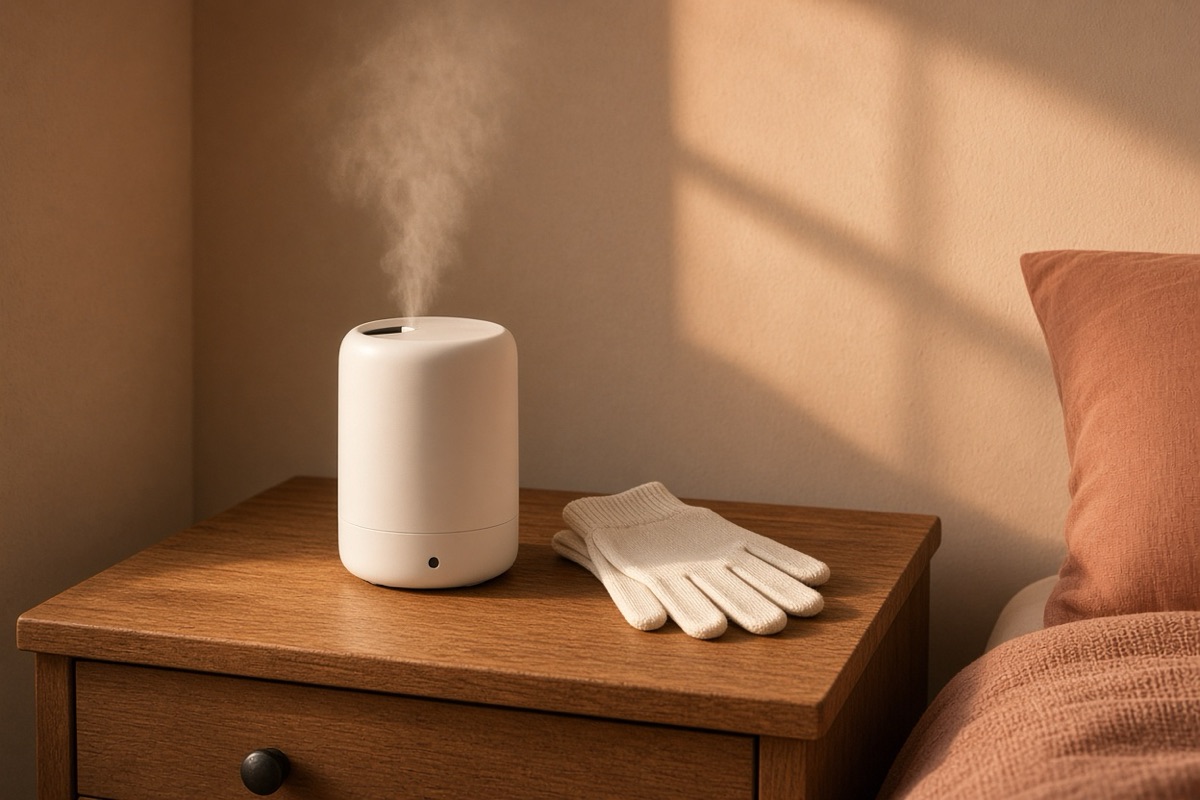
The AAD says dry skin needs moisture and that a humidifier can raise the humidity in your home. Some heating systems include one, and a portable one can sit in the bedroom and run overnight. It stresses cleaning any humidifier regularly to prevent mold.
6. Wear gloves for wet jobs and cold days
Hands are often the first place people notice dryness. According to the AAD, washing dishes, gardening or having your hands in water through the day can make dry hands worse. It suggests gloves that keep hands dry and shield them from cold, dry winter air. The NHS adds a sensible caution for rubber gloves: take them off now and then, because sweating can make symptoms worse, and a cotton glove underneath can help if rubber irritates.
7. Choose loose cotton clothing
The AAD says tight clothes, such as leggings and body-hugging jeans, rub the skin and can make dryness worse. Wool or polyester next to the skin may irritate dry, sensitive skin as well. Its advice is loose cotton, with a cotton or silk layer under rough fabrics.
8. Protect your skin from the sun
This one surprises people, but it is on the AAD’s list. Its advice is a water-resistant, broad-spectrum sunscreen of SPF 30 or higher, plus shade, covering clothing and no tanning, indoors or out.
Which popular dry skin remedies can backfire?
Some habits that feel helpful may work against dry skin, according to the sources we read.
- Itch creams. The AAD says to ask a dermatologist before using anti-itch creams, because many contain ingredients that can irritate very dry skin and make dryness and itching worse.
- Certain ingredients. The AAD’s list of things to stop using on dry skin includes products with alcohol (hand sanitizer excepted), fragrance and retinoids.
- Watery lotions. NIAMS, part of the US National Institutes of Health, says that for atopic dermatitis, creams and ointments are better, and lotions with a lot of water or alcohol can burn.
- Aqueous cream. The NHS says it is no longer recommended as an emollient, since an ingredient in it can cause burning, stinging, itching and redness.
- Bleach baths and wet wraps. NIAMS mentions both for atopic dermatitis, but only on a doctor’s advice. Do not try them on your own.
Safety also matters with the good habits. The NHS says to keep emollients away from fire, flames and cigarettes, because fabric that has touched them can catch fire more easily. It also warns about slipping when you use emollients in a bath or shower.
Do food and water help dry skin?
The AAD’s home tips focus on skin care and surroundings, and they do not set a drinking-water target. The AAD does say that skin needs nutrients, and that low levels of some vitamins and minerals can lead to very dry skin. If you think your diet is lacking, ask a doctor before taking supplements. For people with eczema, the NHS advises not to change your diet unless a doctor tells you to.
Frequently asked questions
What is the best home remedy for dry skin?
No single item wins. The AAD’s advice is a set of habits: short warm showers, a gentle cleanser, and a fragrance-free cream or ointment applied often, especially while the skin is damp.
How often is it fine to apply moisturizer?
The AAD says several times a day. The NHS suggests ideally at least three or four times a day and notes you can use it whenever skin feels dry or tight.
Is a cream or a lotion better for dry skin?
The AAD says creams and ointments add more moisture than lotions and are more effective. The NHS describes lotions as thin and not very moisturizing, though it says they spread easily over hairy areas.
Should dry skin remedies include a humidifier?
The AAD lists a humidifier as one of its tips and says to run a portable one in the bedroom at night. It also says to clean it often to prevent mold.
When should dry skin send you to a doctor?
If dry skin continues after you have tried these habits, the AAD says it is time to see a board-certified dermatologist. It explains that very dry skin may come from a condition such as atopic dermatitis, psoriasis or kidney disease, and that without treatment both the dryness and the condition can worsen.
Tell your dermatologist if anything you put on your skin, including moisturizer, causes burning, stinging or irritation. The NHS says to ask for an urgent appointment, or call NHS 111 in the UK, if eczema is blistered, crusty, leaking fluid, painful, swollen or warm, or if you feel generally unwell, because these can be signs of infection. In the US, contact your doctor promptly if you notice those signs.
Treat this article as background reading, not a diagnosis.
Sources: AAD, Dermatologists’ top tips for relieving dry skin; AAD, Dry skin: Who gets and causes; NHS, Emollients; NHS, Atopic eczema; NHS, Contact dermatitis; NIAMS, Atopic dermatitis. All checked 7 October 2026.