

Dry skin in ears is usually a skin-care problem first: dryness, itching or flaking on the outer ear, or just inside it. Clinicians describe several possible causes, from dry air to eczema. Washing gently, using a fragrance-free moisturizer on the outer ear and cutting down on irritants are the common first steps. Here is what the sources say, and when to get it checked.
What does dry skin in ears look and feel like?
Cleveland Clinic describes ear eczema as a condition that causes skin to become dry, discolored, itchy and bumpy, and says it may appear on the outside of the ear or inside the ear canal. In more severe cases, it says the skin may crack or leak a thick yellow or white fluid.
That matters because “dry ears” can mean very different things. A tight, flaky outer ear in January is not the same as scaly, itchy skin that keeps coming back, or skin that weeps. This guide is background reading, not a diagnosis. Only a clinician who has looked in your ear can tell you what is going on.
What causes dry skin in ears?
There is rarely one single cause. The sources point to a handful of common ones.
- Dry air and cold weather. The American Academy of Dermatology (AAD) says that when the air holds little humidity, dry skin is common, and that winter heating or sitting close to a fireplace can rob skin of moisture. Cleveland Clinic says low humidity can leave the skin of the ear dry and itchy.
- Harsh products. The AAD says deodorant soaps and harsh cleaners can strip oils from skin, and that long, hot showers can dry it. Cleveland Clinic lists harsh soaps, wool and some hair and skin products as triggers for dry, itchy ear skin.
- Irritants and allergens. Cleveland Clinic names earrings, hair and skin care products, pollen, cell phones and headphones as possible triggers, and mentions metals such as nickel. The NHS says contact dermatitis is a type of eczema triggered by contact with a substance and can leave skin itchy, dry and cracked.
- A skin condition. The AAD lists atopic dermatitis, psoriasis and seborrheic dermatitis among conditions that can cause very dry skin. Cleveland Clinic says seborrheic dermatitis commonly affects oily parts of the body, including the ears, and that a surplus of a type of yeast on the skin may be involved.
- Age and health. The AAD says skin makes less oil with age and that certain medicines and health conditions can also dry the skin.
If dryness is showing up across your body too, our guide on what causes dry skin covers the wider picture. Dry, flaky patches elsewhere on the head are covered in dry flaky skin on face and dry skin around nose.
How can you care for dry skin in ears at home?
These steps come from AAD and Cleveland Clinic guidance for dry skin and ear eczema. They apply to the outer ear, not to anything pushed into the canal.
1. Keep washing gentle
Cleveland Clinic suggests lukewarm rather than hot water, gently washing the ears and keeping time in the water under 15 minutes. The AAD says to pat skin dry with a clean towel, because rubbing can irritate very dry skin.
2. Moisturize the outer ear
The AAD says to apply moisturizer while skin is still damp after a shower or bath, and notes that creams and ointments hold in more moisture than lotions. Cleveland Clinic adds that moisturizers should be applied several times a day, and suggests products labeled “fragrance-free,” “hypoallergenic” or “for sensitive skin.” For daily habits beyond the ears, see our skin care routine for dry skin.
3. Cut down on triggers
Cleveland Clinic suggests avoiding common allergens such as earrings made of nickel, cobalt or copper, and avoiding rubbing or scratching. It also suggests wearing a warm hat that covers the ears in cold weather, wearing cotton instead of wool or silk, and using mild laundry soap that is well rinsed out.
4. Add moisture to the air
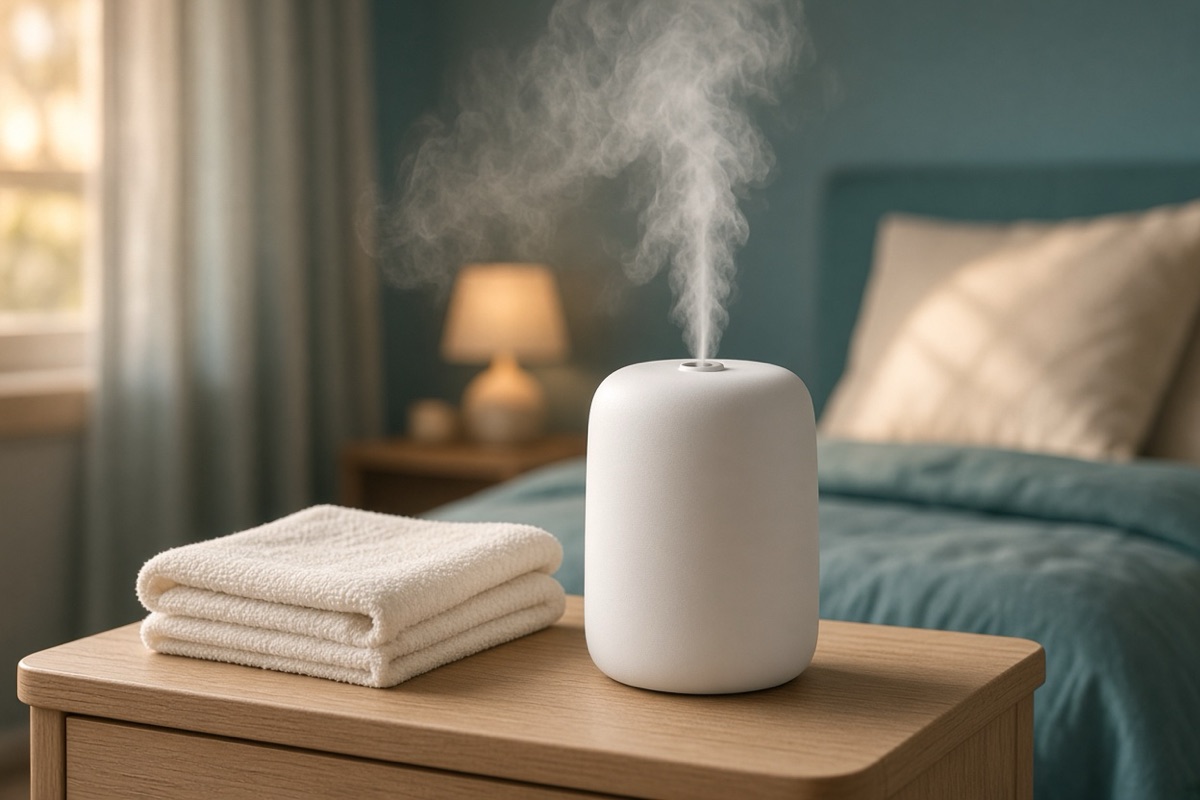
The AAD says a humidifier can raise the humidity of your home, and that a portable one can run in the bedroom while you sleep. It also says to clean it regularly to prevent mold.
5. Leave the canal alone
The NHS says not to use fingers or objects such as cotton buds to remove earwax, because this can push it in and make it worse. For an ear infection, it also says not to put anything inside the ear and to keep water and shampoo out of it. If something feels wrong inside the ear, that is a job for a pharmacist or doctor, not a cotton bud.
Is it dry skin, earwax or an ear infection?
They can overlap. The NHS lists itching and irritation in and around the ear, and scaly skin in and around the ear, among symptoms of an ear infection, alongside earache, discharge and a feeling of pressure or fullness. It says an outer ear infection can be caused by something irritating the ear canal, such as eczema, water, earplugs, or a fungal or bacterial infection.
Earwax is a different matter. The NHS says earwax usually falls out on its own, and lists earache, a blocked feeling, ringing and dizziness as symptoms of a build-up. It also says a build-up can happen with a skin condition affecting the scalp or around the ear. This is why self-diagnosis in the ear is risky: similar-looking problems are treated differently.
Cleveland Clinic also notes that ear eczema is not contagious, and that it is more common in people with a personal or family history of eczema or with hay fever.
Can dry skin in ears go away?
Often it improves. The AAD says that when self-care works, you tend to see improvement within 2 weeks, and that if dryness continues or worsens, something other than dry air may be the cause. Cleveland Clinic says that with proper treatment, ear eczema should go away after one to three weeks, but it is a chronic condition, so flare-ups can come back. It says there is no cure, though treatments can be very effective at reducing dry, itchy skin.
When should you see a doctor about dry skin in ears?
See a doctor, dermatologist or ENT clinician if home care has not helped, or sooner if any of these apply:
- earache, or a feeling of pressure or fullness (NHS lists these as ear infection symptoms);
- fluid or discharge coming from the ear, or swelling around it (the NHS says to ask for an urgent GP appointment or call NHS 111 in the UK; in the US, contact your doctor promptly);
- a change in hearing or new hearing loss (also on the NHS urgent list);
- skin that cracks, weeps or bleeds, which Cleveland Clinic and the AAD describe as signs of more severe dryness;
- no improvement after the home steps above, or itch that keeps coming back;
- dry or thickening skin during cancer treatment, where the AAD says to see a dermatologist right away.
The AAD says a dermatologist can find the cause of persistent dryness and build a treatment plan. Cleveland Clinic notes that doctors may prescribe steroid creams or ear drops for eczema in some cases. Those are medical decisions to make with a clinician. The NHS also cautions that ear drops should not be used if you have a hole in your eardrum, which is another reason to get the ear examined first.
Frequently asked questions
Why is the skin inside my ear so dry and itchy?
Possible reasons include dry air, harsh products, an allergy to something that touches the ear, eczema or seborrheic dermatitis. The NHS also lists itching and scaly skin among ear infection symptoms. A clinician can tell them apart by looking in the ear.
Can I put oil or cotton buds in my ear for dryness?
Do not put objects in the canal. The NHS says cotton buds and fingers can push earwax in. The NHS earwax advice about olive or almond oil drops concerns blocked ears, not dry skin, and the NHS says not to use drops if you have a hole in the eardrum. Ask a pharmacist or doctor first.
Is dry skin in ears contagious?
Cleveland Clinic says ear eczema is not contagious and cannot be spread by skin-to-skin contact.
How soon does dry skin in ears improve?
The AAD says self-care tends to show improvement within 2 weeks when it works. Cleveland Clinic says treated ear eczema should clear in one to three weeks, though flare-ups can return.
Which specialist should I see?
Start with your regular doctor or a pharmacist. A dermatologist handles skin conditions, and an ENT clinician is the right person for hearing changes or problems inside the canal.
Treat this article as background reading, not a diagnosis. If your ears hurt, leak or sound different, get them examined.
Sources: Cleveland Clinic, Ear eczema; NHS, Ear infections; NHS, Earwax build-up; AAD, Dry skin overview; AAD, Dermatologists’ top tips for relieving dry skin; AAD, Dry skin causes; NHS, Contact dermatitis. All checked 9 October 2026.