

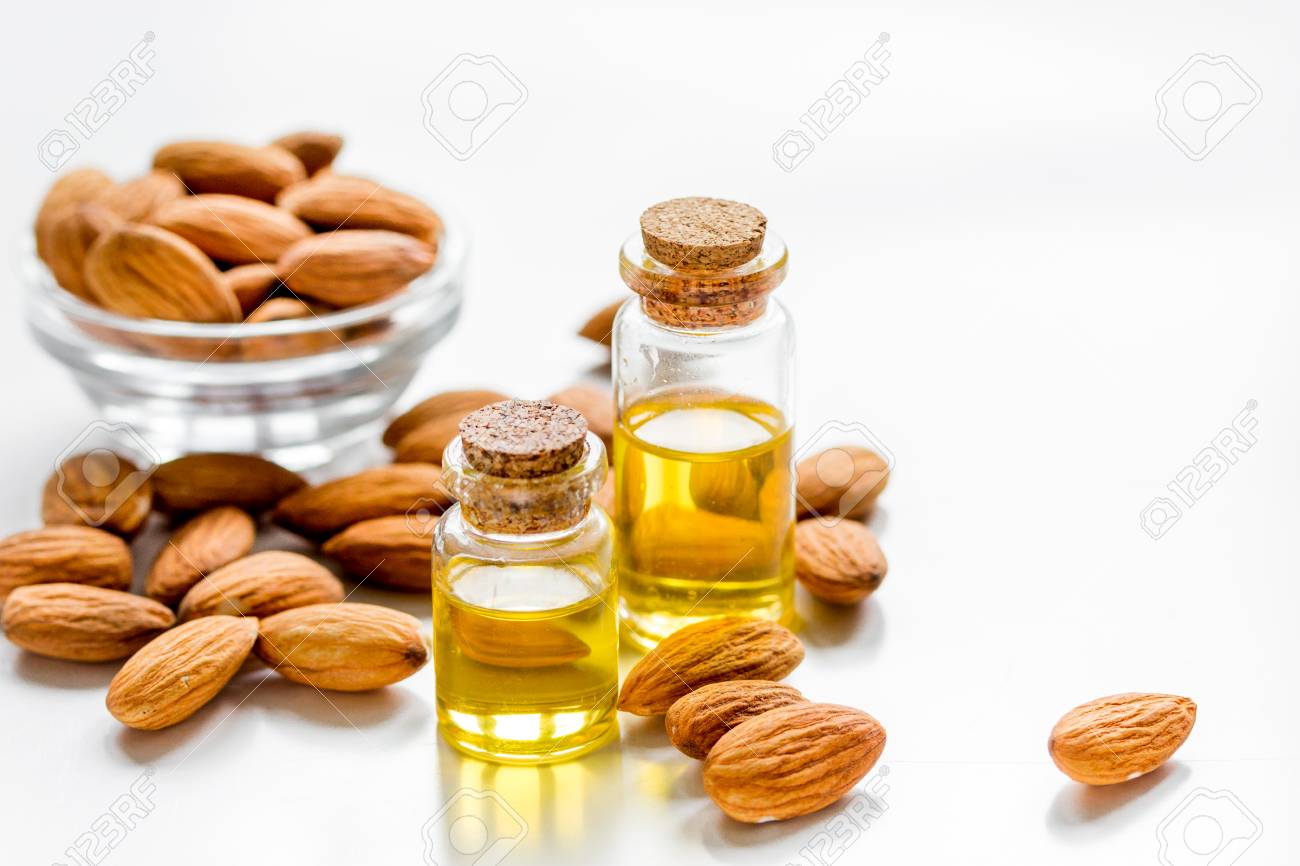
Sweet almond oil for face use comes with one big caution: almonds are a common tree nut allergen, according to Cleveland Clinic. The health pages we checked do not test almond oil on faces, so we cannot promise results. Try a small test patch first, skip it with a nut allergy, and see a doctor if skin reacts.
Last updated 3 October 2026. This article summarizes guidance from Cleveland Clinic and the American Academy of Dermatology. It describes what those groups publish and does not replace advice from your own doctor.
Is sweet almond oil for face care backed by dermatology guidance?
Not directly, in the pages we checked. None of the American Academy of Dermatology (AAD) or Cleveland Clinic pages we read names sweet almond oil as a skin treatment. So we will not repeat the claims you may have seen on shop and blog pages.
What the sources do give is general guidance on facial oils, allergy and patch testing. That is what this article covers, so you can judge sweet almond oil for face use with the right cautions.
Is sweet almond oil safe if you have a nut allergy?
Ask a doctor first. Cleveland Clinic names almonds among the most common causes of tree nut allergy. It says touching tree nuts might cause a rash, but should not lead to a severe reaction.
Its page describes allergy symptoms from eating nuts, such as hives, rash, itching and swelling of the face, lips, mouth or tongue. For severe signs, such as swelling of the face, lips, tongue or throat, difficulty breathing or chest tightness, it says to call 911 or go to the ER.
A provider can test for nut allergy with a skin test or a blood test, Cleveland Clinic says.
Can facial oils clog pores?
Yes, for some people. A Cleveland Clinic dermatologist says any type of facial oil product may cause clogged pores and pimples, and advises against using olive oil on the face or other acne-prone areas if your skin is already oily.
That comment comes from a page about olive oil, not almond oil. It is still a useful warning for any oil used on the face. See our notes on olive oil on the face overnight for a comparison.
How do you patch test a facial oil?
Cleveland Clinic’s page on argan oil suggests starting on a small spot before covering a larger area. The AAD says much the same for new facial masks, and its rosacea guidance adds that such trials help you find products that leave your skin calm.
Check the label too. A Cleveland Clinic page on argan oil says oils should have no added fragrance or preservatives, because those can make conditions such as eczema worse. The AAD prefers fragrance-free products over “unscented” ones.
Is an oil enough for very dry skin on the face?
Maybe not. The AAD says butters and oils tend to liquefy on dry skin, which makes them less effective than petroleum jelly or a thick cream. It also ranks ointments and creams above lotions.
The AAD adds that petroleum jelly works by trapping moisture already on your skin. It suggests applying it to damp skin. Our pages on face oil for dry skin and shea butter for the face compare other choices.
What about sun protection?
Oil does not replace sunscreen, even if you add sweet almond oil for face care at night. Cleveland Clinic points out that olive oil has no sun protection factor, and notes that sunburn and skin cancer risks are a concern when skin is unprotected. Almond oil is not covered on that page, so treat it the same way.
When should you see a doctor?
- You have a nut allergy, or you suspect one. Ask before using any nut oil on your skin.
- Skin that feels worse after a product needs attention. The AAD advises seeing a board-certified dermatologist.
- Dry skin continues after you follow the AAD’s dry skin tips, which it says is the time to see a dermatologist.
- You have swelling of the face, lips or tongue, trouble breathing or chest tightness. Cleveland Clinic says to call 911 or go to the ER.
Frequently asked questions
Can I use sweet almond oil on my face every night?
We found no guidance in the approved sources on how often to use almond oil, so we give none. Cleveland Clinic’s page on argan oil advises trying it on a small area first. Stop if you see redness, itching or new bumps, and ask a doctor or pharmacist.
Is sweet almond oil good for dry facial skin?
The pages we checked do not say. The AAD says oils tend to liquefy on skin, so ointments or thick creams work better for dry skin. If your face stays dry after following the AAD’s tips, it advises seeing a board-certified dermatologist, because another condition may be the cause.
Can almond oil cause a rash?
Yes, if you are allergic. Cleveland Clinic says touching tree nuts might cause a rash, and almonds are among the most common tree nut allergens. Trying a small patch first is a sensible precaution. If you get hives, swelling or trouble breathing, get emergency help right away.
Is almond oil safe for acne-prone skin?
Be careful. A Cleveland Clinic dermatologist says any facial oil may clog pores and cause pimples, and advises against olive oil on the face if your skin is already oily. That page is about olive oil, so ask a dermatologist about almond oil for your skin.
Sources (all checked 3 October 2026)
- Cleveland Clinic, Tree Nut Allergy, updated 21 July 2025.
- Cleveland Clinic, How Olive Oil Benefits Your Skin, dated 6 May 2025.
- Cleveland Clinic, 5 Skin and Hair Benefits of Argan Oil, dated 1 August 2022.
- American Academy of Dermatology, Dry skin remedies for darker skin tones, updated 4 November 2022.
- American Academy of Dermatology, Do facial masks work, and should I add one to my skin care routine?, updated 3 March 2026.
- American Academy of Dermatology, 7 rosacea skin care tips dermatologists recommend, updated 3 April 2024.
- American Academy of Dermatology, Dermatologists’ top tips for relieving dry skin, updated 2 January 2026.
Written by the Dry Skin Tips editorial team. We do not claim medical review of this article. If you have a skin concern, see a qualified health professional.