

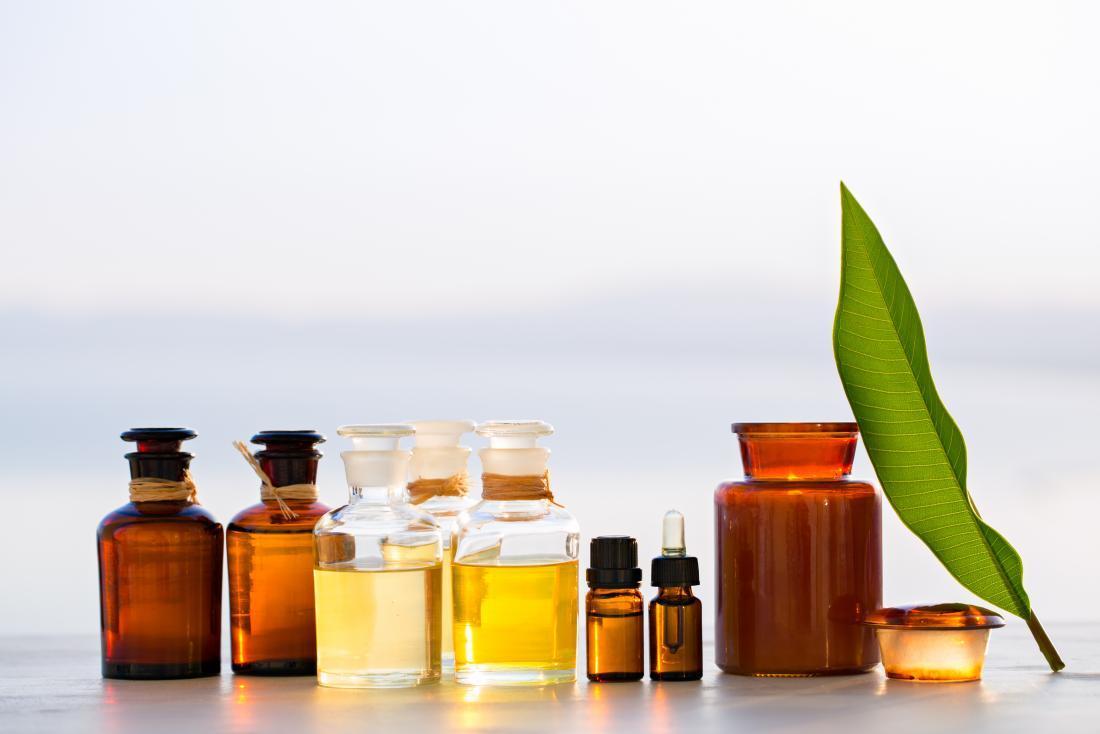
There is no ranking to follow: the best carrier oil for face use depends on your own skin. A carrier oil is a plain plant oil that dilutes stronger oils or moisturizes on its own. Dermatologists warn that oils can clog pores, so acne-prone skin needs extra thought. Try any new oil on a small patch of skin first.
Last updated 3 October 2026. This article draws on guidance published by Cleveland Clinic and the American Academy of Dermatology (AAD). It is a summary, not a stand-in for your own doctor’s advice.
What is a carrier oil?
With few exceptions, Cleveland Clinic says an essential oil should be diluted in a carrier oil so it does not irritate the skin. Coconut and jojoba oil are its examples. Its aromatherapy page adds rosehip, grapeseed and sweet almond oil to the list.
So a carrier oil has two jobs: it dilutes strong essential oils, and some people also use it on its own as a face oil. Our guide to essential oils for skin care recipes covers the first job.
How do you find the best carrier oil for face skin?
Begin with your skin type, then read the cautions. Face oils may suit dry, sun-damaged or inflamed skin, says Cleveland Clinic. The table shows what the sources say about oils we can name.
| Oil | What Cleveland Clinic says | Caution it gives |
|---|---|---|
| Jojoba | Mimics skin’s natural oils; should not block pores | Patch test if you have eczema, psoriasis, rosacea or acne |
| Argan | Suits dry, sensitive skin | Fragrance or preservatives can worsen eczema |
| Olive | Can moisturize dry or sensitive skin | Skip on oily or acne-prone skin; can darken dark spots and has no SPF, so wear sunscreen |
| Rosehip | Lightweight, fatty-acid rich | Patch test; those with oily skin may want to skip it |
Our pages on jojoba oil vs argan oil and face oil for dry skin compare these further.
Which is the best carrier oil for face skin that breaks out?
Cleveland Clinic says unless a face oil is labeled noncomedogenic, it may clog pores and cause acne flares. If you are prone to acne, the AAD points to products labeled “non-comedogenic” or “won’t clog pores.”
Cleveland Clinic’s dermatologist says jojoba oil should not block pores. Still, a gentler approach may be better, because the AAD says irritating your skin can bring more breakouts. See jojoba oil and acne.
Who should skip any carrier oil for face use?
Cleveland Clinic says three groups should skip face oils: people with acne-prone skin, seborrheic dermatitis or rosacea. With skin issues, it suggests a lighter water-based serum in place of a face oil.
It also says to avoid strong fragranced oils such as lavender or tea tree on the face, because they can irritate the skin or trigger an allergic reaction.
How do you patch test a carrier oil?
The sources point to a few simple steps:
- Choose a small area. Cleveland Clinic suggests a spot like the forearm for rosehip oil before it goes on the face.
- Start with one oil. That way you know what caused a reaction.
- Watch for hives and itching. Cleveland Clinic names these for jojoba oil.
- Check the bottle. Cleveland Clinic suggests pure argan oil in dark glass, and an amber bottle for rosehip oil.
When to see a doctor
Cleveland Clinic says to talk to a dermatologist before adding anything new if you have any skin issues. Its aromatherapy page says people with skin conditions, asthma, epilepsy, or those who are pregnant or take prescription medicine should check with a provider first. Stop an oil that causes irritation, an allergic reaction or a rash.
Frequently asked questions
Is coconut oil a good carrier oil for the face?
Not automatically, though. Cleveland Clinic names coconut oil as a common carrier oil, but it also says unless face oils are labeled noncomedogenic, they may clog pores and cause acne flares. The sources we read do not rate coconut oil for facial use specifically. Patch test it first, and avoid it if you break out easily or have been told to skip oils.
Can I use an essential oil on my face without a carrier oil?
Generally no. Cleveland Clinic says that, with few exceptions, you should dilute an essential oil with a carrier oil to avoid irritation. Its aromatherapy page says essential oils should be diluted every time before they touch the skin. It also advises against strong fragranced oils such as lavender or tea tree on the face.
How much essential oil goes into a carrier oil?
About 1% for massage, according to Cleveland Clinic’s aromatherapy page. It does not give a figure for the face, and the other sources do not either. Ask a doctor or pharmacist before mixing for facial skin, especially if you have a skin condition.
Do carrier oils clog pores?
Some can. Cleveland Clinic says many face oils are comedogenic, meaning they can block pores and cause blackheads. Check for a noncomedogenic label on the bottle, and ask a dermatologist for advice if you are prone to acne, seborrheic dermatitis or rosacea, since those groups are told to be careful.
Sources (all checked 3 October 2026)
- Cleveland Clinic, 11 Essential Oils: Their Benefits and How To Use Them, 14 December 2021.
- Cleveland Clinic, Aromatherapy, updated 21 September 2023.
- Cleveland Clinic, Are Face Oils Good for Your Skin?, 25 August 2022.
- Cleveland Clinic, Jojoba oil, argan oil, olive oil and rosehip oil pages, updated between 2022 and 2025.
- American Academy of Dermatology, 10 skin care habits that can worsen acne, page date not shown when fetched.
Written by the Dry Skin Tips editorial team. We do not claim medical review of this article. If you have a skin concern, see a qualified health professional.