

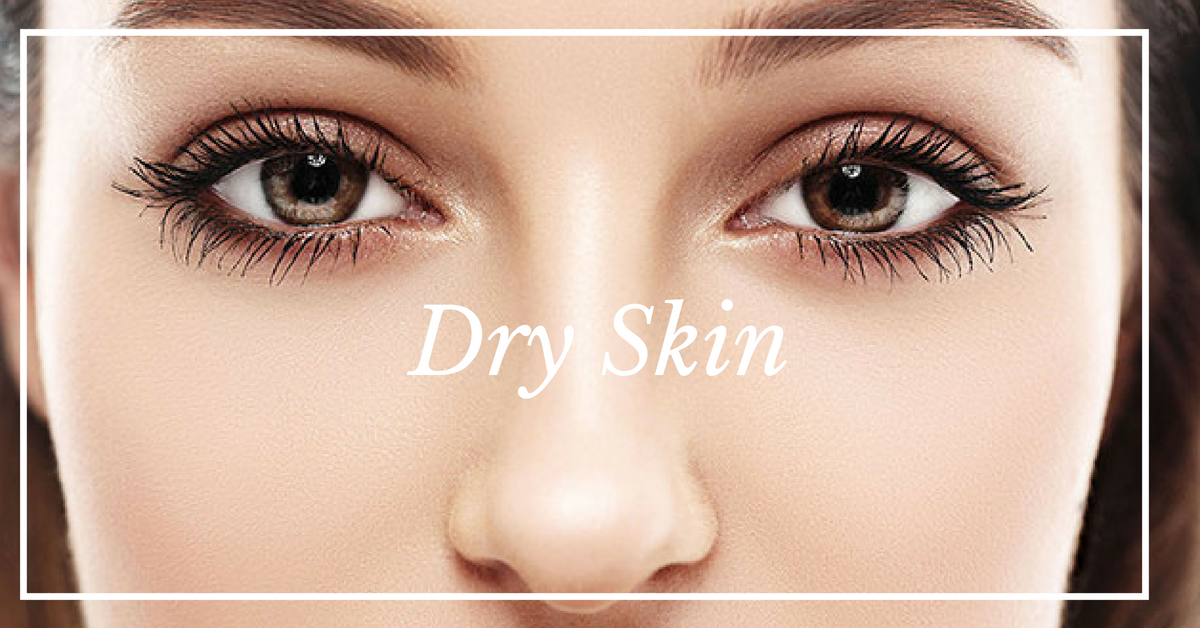
Dry skin under eyes usually calls for gentle care and fewer irritants. Sources suggest soap-free cleansing, a fragrance-free cream or gel, humidity and a break from makeup. Skip hot water and harsh products. If the dryness stays, itches badly or spreads, a doctor should check for eczema or an allergy.
Last updated 3 October 2026. This article summarizes published guidance from Cleveland Clinic and the American Academy of Dermatology. None of these pages is written only about the skin under the eyes, so we borrow their advice for the eyelid and eye area. Nothing here stands in for your own doctor’s advice.
What helps dry skin under eyes at home?
Cleveland Clinic’s page on dry eyelids gives the closest guidance for the eye area. Its care list is:
- Cleanse gently with soap-free products.
- Moisturize with lightweight gels or creams that are hypoallergenic and fragrance-free.
- Think about petroleum jelly. The page notes that the AAD recommends it for dry eyelids.
- Use a humidifier in dry climates.
- Limit sun, wind and temperature extremes.
- Pause makeup and non-essential skin products for a while.
For dry skin in general, the American Academy of Dermatology (AAD) adds that creams and ointments hold in more moisture than lotions. It also suggests moisturizing several times a day, including right after washing while skin is still damp.
What should you avoid with dry skin under eyes?
Cleveland Clinic says hot water can be harsh on eyelid skin, so lower the temperature and limit shower time. It also lists these to avoid or cut back:
- Long hot showers
- Long exposure to sun, wind and cold
- Cosmetics and other non-essential products while the skin heals
- Soaps (it says to use a soap-free cleanser designed for sensitive skin)
Rubbing is another one. Cleveland Clinic lists rubbing among the irritants behind eyelid dermatitis, and its prevention advice is to avoid rubbing the lids and touch them with clean hands only. The AAD adds that frequent eye rubbing can change the shape of the cornea.
How do you test a new product near the eyes?
New products are a common suspect. Cleveland Clinic names cosmetics, cleansers, moisturizers, and eye cream among possible triggers of eyelid dermatitis.
The AAD’s eczema advice is to test a new product first. Dab a coin-sized amount on the inside of your arm daily for a week to 10 days. The AAD also says to skip products labeled “unscented,” because they can mask fragrance rather than remove it. Our guides on dry eyelids and home care for dry eyelids cover product choices in more depth.
What can cause dry skin under eyes?
Cleveland Clinic lists these causes of dry eyelids, and they are a useful guide for the eye area:
- Cold, heat, wind and sun
- Low humidity
- Smoke or chlorine
- Aging, as collagen and natural oils decline
- Irritating skin care products
- Allergens such as pollen, dust, metals and cosmetics
- Eyelid dermatitis, atopic dermatitis, psoriasis, and eyelid inflammation (blepharitis)
If the cause is one of the medical conditions, home care alone may not be enough. For a closer look at the area, see our page on dry skin under the eyes.
When should you see a doctor about dry skin under eyes?
Cleveland Clinic says to see a provider if self-care does not improve things, if you have symptoms beyond dry skin, if your eyes are irritated too, or if you suspect an allergy or skin condition. It adds that eyelid dermatitis should be seen by a provider rather than treated with home care.
The AAD gives these rash warning signs:
- A rash that blisters or turns into open sores
- A painful rash or one that spreads fast
- Pus, yellow or golden crusts, swelling or warmth, which signal infection
- A rash involving the eyes, lips, mouth or genital skin
The AAD says dry skin that lasts after you follow its tips may point to a condition such as atopic dermatitis, psoriasis or kidney disease. If a rash is the main issue, read how to treat a rash around the eyes.
Frequently asked questions
Why is the skin under my eyes so dry?
Cleveland Clinic ties dry eyelid skin to weather, low humidity, aging, irritating products and allergens, plus conditions such as eyelid dermatitis, atopic dermatitis, psoriasis, and blepharitis. Which one applies to you is hard to know without a doctor, especially if care at home has not helped.
Is eye cream a good idea for dryness there?
Cleveland Clinic lists eye cream among possible allergens in allergic contact dermatitis. It also describes the type of moisturizer to look for: lightweight, hypoallergenic and fragrance-free. If you try a new product, try it on your inner arm first, as the AAD suggests.
Can a humidifier ease the dryness?
Cleveland Clinic suggests a humidifier in dry climates for dry eyelids. The AAD recommends one for dry skin in general, particularly while you sleep. Neither page gives a figure for how much it helps, so use it as one supporting step.
Should I wear makeup when the skin under my eyes is dry?
Cleveland Clinic says to avoid makeup and non-essential products temporarily while the skin recovers. For eyelid dermatitis it says to avoid makeup during treatment. If the dryness keeps returning, or your eyes are irritated too, ask a doctor whether a product could be the trigger.
Sources (all checked 3 October 2026)
- Cleveland Clinic, Dry Eyelids: Possible Causes, Care & Treatments, updated 13 February 2024.
- Cleveland Clinic, Eyelid Dermatitis, updated 25 October 2021.
- American Academy of Dermatology, Dermatologists’ top tips for relieving dry skin, updated 2 January 2026.
- American Academy of Dermatology, Atopic dermatitis skin care, updated 10 October 2023.
- American Academy of Dermatology, Rash 101 in adults, updated 22 January 2024.
- American Academy of Dermatology, Adults with eczema should watch for eye problems, no date shown on the page.
Written by the Dry Skin Tips editorial team. We do not claim medical review of this article. If you have a skin concern, see a qualified health professional.