

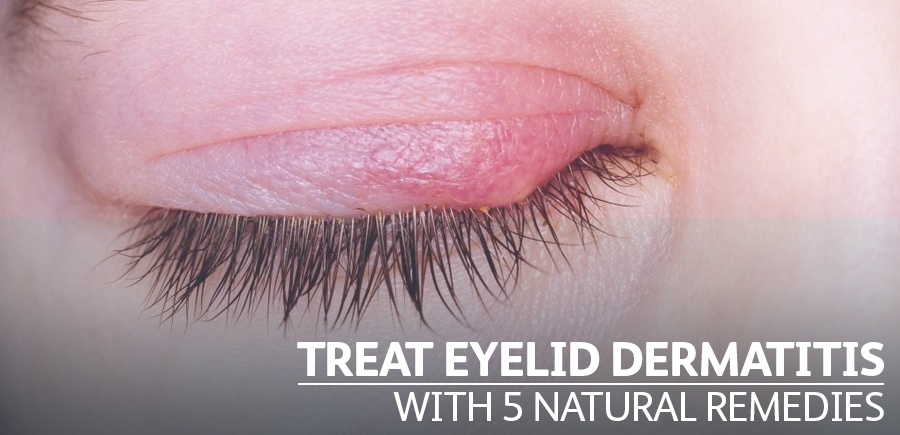
Eye eczema treatment usually starts with finding and avoiding what irritates the eyelids. Cleveland Clinic says a provider may prescribe corticosteroids or calcineurin inhibitors for eyelid dermatitis. It also advises seeing a provider early instead of trying home treatments. Swelling that blocks your vision needs emergency care.
Last updated 3 October 2026. This article pulls together guidance from Cleveland Clinic, the American Academy of Dermatology and the NHS. It reports what those sources say and does not replace advice from your own doctor.
What is eye eczema?
Cleveland Clinic calls it eyelid dermatitis, also known as eyelid eczema. It is a skin reaction on the eyelids. The clinic lists these signs: a red rash, stinging, scaly skin, burning, swelling, pain, itching and blistering.
Cleveland Clinic also says dermatitis is not contagious. It cannot spread from person to person.
What triggers eye eczema?
Cleveland Clinic describes two types: irritant contact dermatitis and allergic contact dermatitis. Knowing which one you have shapes eye eczema treatment, because the aim is to stop the trigger.
Its list of irritants includes dust, cosmetics, soaps, detergents, chemicals, wool and some plants. Its list of allergens includes moisturizers, sunblock, false lashes, nickel jewelry, eye drops, fragrances, latex and hair dye. Cleveland Clinic also counts rubbing and harsh weather, whether hot, cold or humid, as physical triggers.
The AAD adds that for atopic dermatitis, a flare can come from skin care products, weather, wool clothing, stress, fragrance and harsh detergents. Our guide to what causes redness around the eyes looks at other reasons the area turns red.
What eye eczema treatment do doctors use?
Cleveland Clinic says a provider examines your eyelids and may order a patch test if an allergy is suspected. Treatment can include:
- Corticosteroids. Cleveland Clinic names topical or oral forms. The AAD says many atopic dermatitis plans include them because they can quickly relieve symptoms.
- Calcineurin inhibitors. The AAD says a dermatologist may prescribe these if corticosteroids stop working, fail to work or are not a good option for you.
- No eye makeup while the dermatitis is active, says Cleveland Clinic.
The AAD also says dermatologists recommend moisturizer for everyone who has atopic dermatitis. It explains that well-moisturized skin is less likely to crack, which can make the rash, itch or infection worse.
Can you treat eye eczema at home?
Cleveland Clinic is direct on this point: it says to see your healthcare provider for eyelid dermatitis instead of trying any at-home treatments. That is why this page focuses on what to avoid, not on remedies.
Cleveland Clinic’s prevention tips are things you can do while you wait for an appointment:
- Choose products made for sensitive skin.
- Wear protective glasses in extreme conditions.
- Do not scratch or rub the eyelids.
- Touch your eyelids only with clean hands.
For eczema in general, the NHS says to use moisturizers at least twice a day and to keep going even when the eczema improves. Cleveland Clinic suggests a fragrance-free cream or ointment for atopic dermatitis. Ask your provider which moisturizer suits your eyelids.
Could it be psoriasis instead?
Maybe. Cleveland Clinic says psoriasis on the eyelids causes a buildup of dead skin cells that scale and flake. Eczema, by contrast, is an itchy rash that follows contact with an irritant or allergen, and Cleveland Clinic adds that it is usually itchier. Only a provider can tell them apart. Read more about psoriasis around the eyes or about a rash around the eyes.
When should you see a doctor about eye eczema?
Cleveland Clinic says to see a provider as soon as you notice symptoms of eyelid dermatitis. Go for emergency care if swelling keeps you from seeing. The NHS says to see a GP if treatments are not helping. It says to ask for an urgent GP appointment or get help from NHS 111 if eczema is blistered, crusty, leaking fluid, painful, swollen or warm, or suddenly gets worse, as these can be signs of infection.
If you want a closer look at care steps, see our page on eczema on the eyelids.
Frequently asked questions
Can I put hydrocortisone cream on my eyelids?
Cleveland Clinic lists over-the-counter hydrocortisone anti-itch creams among options for atopic dermatitis on the skin in general. Its eyelid dermatitis page, however, says to see a provider instead of using at-home treatments. Ask a doctor or pharmacist before using any steroid product on your eyelids.
How is eyelid eczema diagnosed?
According to Cleveland Clinic, a healthcare provider looks at the typical symptoms. They may order a patch test if they think you could have an allergy. Cleveland Clinic gives no further detail on the test itself, so ask your provider what to expect.
Is eyelid dermatitis contagious?
No. Cleveland Clinic states that dermatitis is not contagious and cannot be passed from one person to another. Cleveland Clinic describes it as a reaction when the eyelids touch an irritant or an allergen, so avoiding that trigger matters more than avoiding other people.
Should I keep moisturizing after the rash clears?
For atopic eczema, the NHS says to continue moisturizing even if the eczema improves. The AAD also recommends moisturizer for everyone with atopic dermatitis. The NHS gives its advice for atopic eczema in general, so ask your provider how often to apply it to the eyelids.
Sources (all checked 3 October 2026)
- Cleveland Clinic, Eyelid Dermatitis, updated 25 October 2021.
- Cleveland Clinic, Atopic Dermatitis, updated 4 March 2025.
- Cleveland Clinic, Psoriasis on the Eyelids, updated 25 May 2023.
- American Academy of Dermatology, Atopic dermatitis diagnosis and treatment, updated 13 July 2026.
- NHS, Atopic eczema: treatment, reviewed 6 September 2024.
Written by the Dry Skin Tips editorial team. We do not claim medical review of this article. If you have a skin concern, see a qualified health professional.