

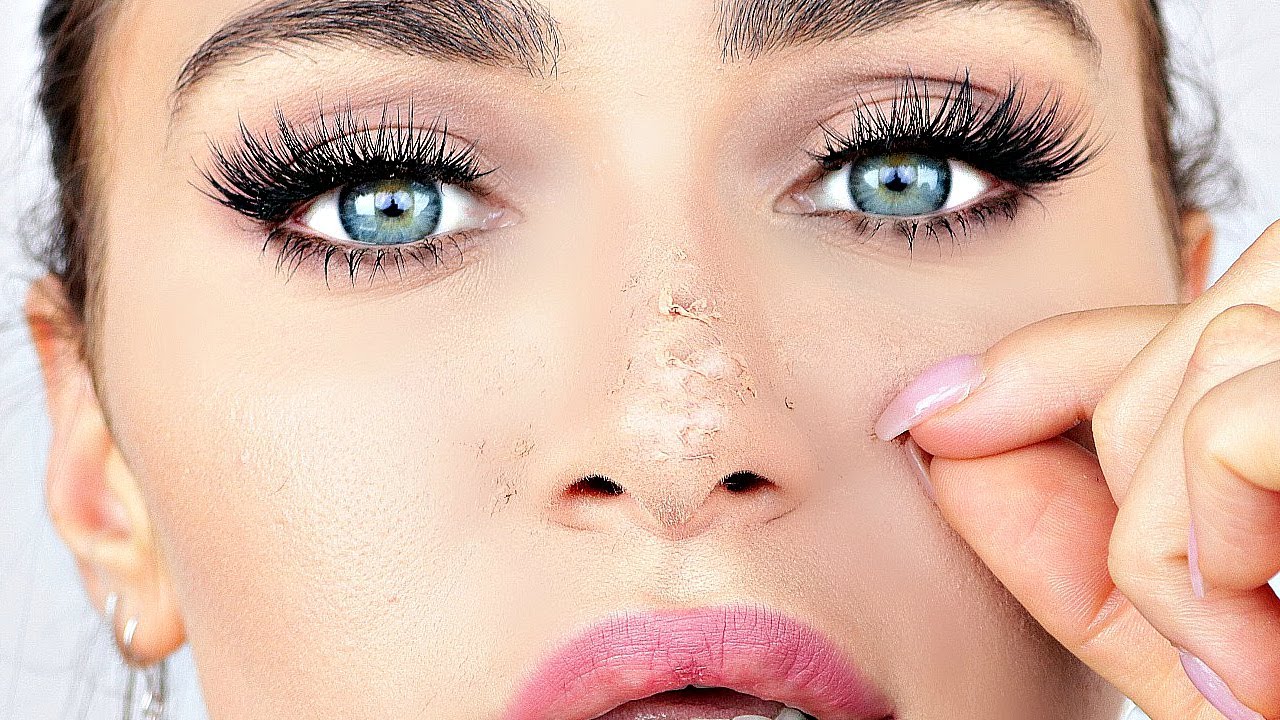
Dry skin patches on the face often look rough, tight or flaky. They can come from dry air, sun, age, some medicines or a skin condition such as eczema. Gentle skin care helps many mild cases. Patches that stay, spread, get red and wet, or itch a lot need a doctor to check them.
Last updated 3 October 2026. This article gathers guidance from the American Academy of Dermatology and Cleveland Clinic. It reports what those sources say and does not replace advice from your own doctor.
What do dry skin patches on face look like?
Cleveland Clinic defines dry skin as skin that lacks enough moisture to stay soft. Its list of signs includes cracked, rough, tight, flaking, scaling and itchy skin. The affected area may also look lighter, darker or reddish-purple than the surrounding skin.
Where the patches appear on the face matters. Dry skin can show up anywhere on the face, but some skin conditions favor certain spots. The table below shows how they differ.
What causes dry skin patches on face?
Cleveland Clinic lists these common causes of dry skin on the face, which also apply to patches:
- Age. Oil production in the skin drops from around age 40.
- Weather and sun. Cold, dry climates and ultraviolet (UV) rays can dry the skin.
- Health conditions. Diabetes, thyroid disease and kidney disease are named.
- Medicines. Statins, diuretics and chemotherapy are named.
- Skin conditions. Atopic dermatitis (eczema), seborrheic dermatitis, and psoriasis are named.
- Smoking.
Cleveland Clinic also notes that some jobs, such as healthcare work, hairstyling and farming, are linked with dry skin.
Habits matter too. Hot water, rubbing and scrubbing, and some products can strip moisture. We cover those below.
Is it dry skin, eczema or seborrheic dermatitis?
Plain dry skin, eczema, and seborrheic dermatitis can all cause patches on the face. The table sums up what Cleveland Clinic says about each. Only a doctor can tell which one you have.
| Dry skin (xerosis) | Atopic dermatitis (eczema) | Seborrheic dermatitis | |
|---|---|---|---|
| What it can look like | Cracked, rough, tight, flaking or scaling skin | Red on lighter skin. Darker than your natural tone, brown, purple or gray on darker skin. May have swelling, small fluid-filled bumps or crusting | White to yellow flaking, and small raised bumps that are dark or yellow to red |
| Where it can show on the face | Anywhere | Can appear anywhere, including the face | Eyebrows, face and forehead, and the creases at the sides of the nose |
| Itch | Can itch | Itch can be severe | Can itch, according to the symptom list |
| Care the source names | Moisturize, especially when skin is damp after washing | Find and avoid triggers. Fragrance-free moisturizer (cream or ointment) at least twice a day. Prescription topical medicine if needed | Antifungal or corticosteroid products, among other options. See a provider if over-the-counter products do not help |
Sources: the Cleveland Clinic pages on dry skin, atopic dermatitis and seborrheic dermatitis, listed at the end. Seborrheic dermatitis is not contagious, according to Cleveland Clinic.
What helps dry skin patches on face at home?
The American Academy of Dermatology (AAD) and Cleveland Clinic give similar advice for mild dry skin.
- Keep washing short and warm. The AAD suggests limiting baths and showers to five to ten minutes in warm water. Blot the skin dry rather than rubbing.
- Use a gentle cleanser. The AAD says to avoid a thick lather.
- Moisturize soon after washing. Cleveland Clinic says to apply moisturizer within five minutes after washing. The AAD says to apply it several times a day, including when skin is still damp.
- Choose face-friendly products. Cleveland Clinic suggests face-specific, fragrance-free products. It names ceramides, hyaluronic acid and squalane as useful ingredients.
- Look at the label. For dry skin, the AAD points to creams and ointments with ingredients such as glycerin, hyaluronic acid, petrolatum and shea butter.
- Protect your skin from the sun. The AAD suggests a sunscreen that blocks a broad range of UV rays, resists water and has an SPF of at least 30.
- Add moisture to the air. The AAD suggests a humidifier, especially in the bedroom at night.
Our pages on face wash for dry sensitive skin, dryness around the nose, around the mouth and under the eyes go into those areas in more detail.
What should you avoid with dry patches on the face?
Cleveland Clinic advises you to protect the moisture you already have:
- Avoid hot water.
- Avoid rubbing and scrubbing, and harsh exfoliation.
- Be careful with products that dry the skin. It names retinol and astringent toners.
- Check makeup and shampoo for fragrance and drying ingredients. Its page on dry skin also says to avoid fragrances and alcohol-based ingredients.
- Avoid tanning beds, and shield the skin from sun, wind and cold air.
Cleveland Clinic says that seborrheic dermatitis can get worse with stress, harsh chemicals, cold dry weather and alcohol-based skincare products.
When should you see a doctor about dry skin patches on face?
The AAD says dry skin that lasts after you follow its tips may signal an underlying condition, for example, atopic dermatitis, psoriasis or kidney disease. Talk to a doctor or dermatologist if:
- The patches look wet and red, or the skin feels painful or swollen. Cleveland Clinic lists wet and red dryness as a reason to call a provider. For seborrheic dermatitis it also lists swelling, pain or fluid draining from the skin.
- The itch gets in the way of sleep or daily life.
- The dryness is not improving, especially in older adults.
- The patch stays dry and pink. Cleveland Clinic says this can be a sign of precancerous cells and should be checked.
- Over-the-counter products are not helping.
- The skin looks infected: red, warm or swollen.
Frequently asked questions
Can a moisturizer fix dry patches on the face?
For mild dry skin, moisturizing is the first step that both the AAD and Cleveland Clinic recommend. Apply it soon after washing, while skin is still damp. If the patches stay after you follow these steps, the AAD says to see a dermatologist, because they may be caused by a condition that needs other treatment.
Is seborrheic dermatitis contagious?
No. Cleveland Clinic says seborrheic dermatitis is not contagious and does not spread from person to person. On the face it can affect the eyebrows, the face and forehead, and the creases at the sides of the nose, where it can look like white to yellow flaking.
Can a humidifier help with dry skin on the face?
The AAD recommends a humidifier to raise moisture levels in the air, especially in the bedroom during sleep. It is listed among its tips for dry skin. It does not replace seeing a doctor for patches that do not go away.
Which ingredients do dermatologists look for in moisturizers?
Cleveland Clinic names ceramides, hyaluronic acid and squalane for the face. The AAD adds others, such as glycerin, petrolatum and shea butter. Check the label, and choose fragrance-free products if your skin is easily irritated. If a product stings or makes the patches worse, stop using it and ask a pharmacist or doctor what suits your skin.
Sources (all checked 3 October 2026)
- American Academy of Dermatology, Dermatologists’ top tips for relieving dry skin, updated 2 January 2026.
- Cleveland Clinic, Tips for Getting Rid of Dry Skin on Your Face, dated 15 May 2024.
- Cleveland Clinic, Dry Skin (Xeroderma), updated 23 June 2022.
- Cleveland Clinic, Seborrheic Dermatitis, updated 16 July 2025.
- Cleveland Clinic, Atopic Dermatitis, updated 4 March 2025.
Written by the Dry Skin Tips editorial team. We do not claim medical review of this article. If you have a skin concern, see a qualified health professional.