

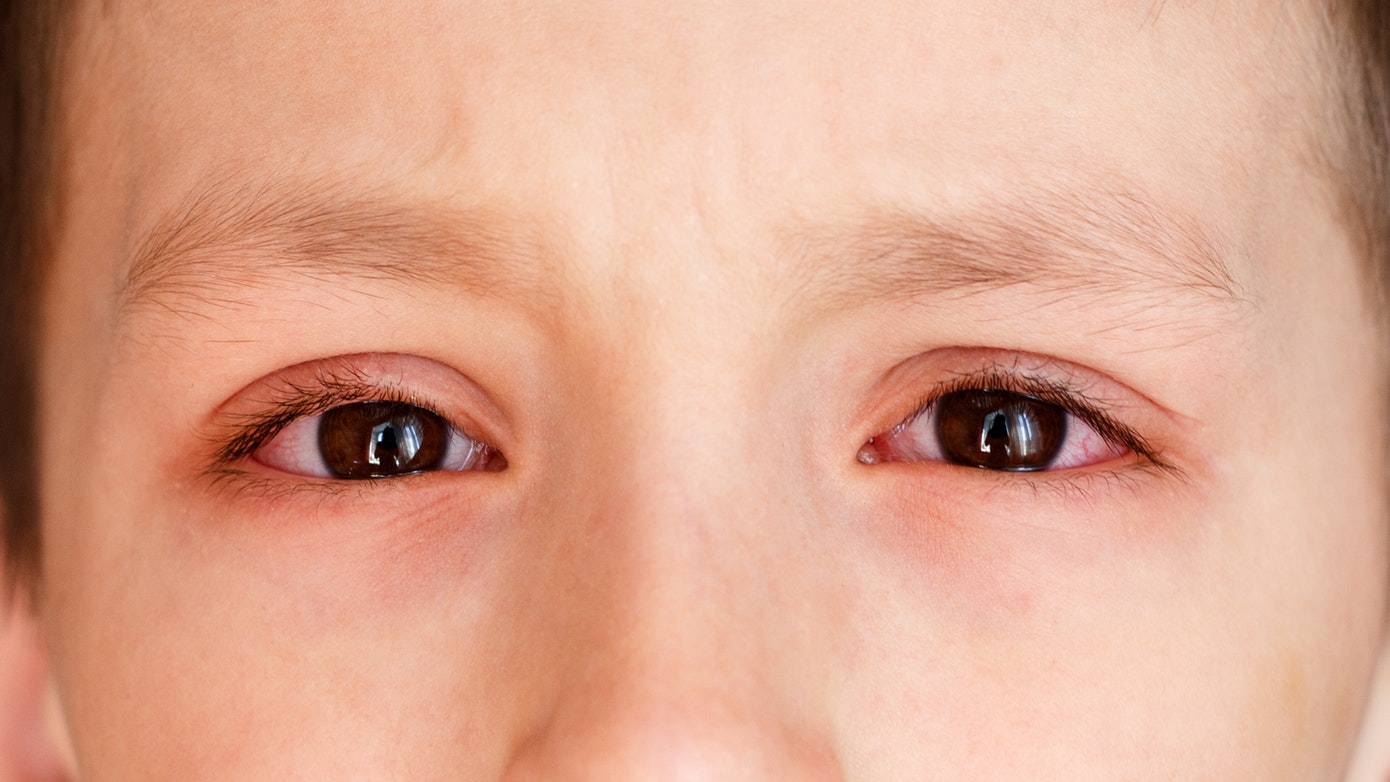
Redness around eyes has several possible causes, including allergies, eyelid dermatitis, inflamed eyelids (blepharitis), psoriasis and some eye conditions. Avoiding triggers and keeping the area clean help in mild cases. Pain, vision changes or redness that lasts or gets worse needs a doctor.
Last updated 3 October 2026. This article summarizes guidance from Cleveland Clinic and the American Academy of Ophthalmology (AAO). It is not a substitute for your own doctor’s advice.
What causes redness around eyes?
No single cause fits everyone. The sources we checked point to these main ones:
- Allergic conjunctivitis, which can make the eyes red, itchy and puffy.
- Eyelid dermatitis, a type of contact dermatitis.
- Blepharitis, which is inflammation of the eyelids.
- Psoriasis on the eyelids.
- Other eye conditions, which the AAO lists as herpes zoster, ocular rosacea and Sjogren’s syndrome.
Each one is covered below. A doctor is the right person to sort out which applies to you.
Is redness around eyes an allergy?
It can be. Cleveland Clinic explains that allergic conjunctivitis happens when allergens inflame the conjunctiva. Its symptoms include itchy or burning eyes, puffy or swollen eyes, watery eyes and red eyes. The triggers it names include pollen, dust mites, mold spores and pet dander, as well as chemicals or fragrances found in personal care products.
For self-care, Cleveland Clinic suggests rinsing the eyes with water, using a cold compress and keeping your hands off your eyes. It also says allergic conjunctivitis cannot spread to others.
Could it be eyelid dermatitis?
Eyelid dermatitis, which Cleveland Clinic also calls eyelid eczema, belongs to the contact dermatitis family. Its symptom list covers a red rash, scaly skin, swelling, pain, itching, stinging, burning and blistering.
There are irritant and allergic forms. Irritants include dust, cosmetics, soaps and chemicals, while allergens include fragrances, hair dye, false lashes, eye drops and nickel jewelry. See our page on eyelid eczema for more.
What about blepharitis or psoriasis?
The AAO says blepharitis is inflammation of the eyelids. It causes redness and swelling, a burning or sore feeling, and flakes or crusts at the base of the lashes. The AAO names three causes: bacteria at the lash base, problems with the eyelid oil glands, and an overgrowth of Demodex mites in the lash follicles.
Cleveland Clinic says psoriasis can cause swollen, itchy, discolored, scaly patches around the eyes. It also notes that eczema is usually itchier than psoriasis. Read more in our guide to psoriasis around the eyes.
What can you do for redness around eyes?
The advice depends on the cause, but the sources agree on a few basics.
- Avoid the trigger. For eyelid dermatitis, Cleveland Clinic says to avoid identified triggers, use products made for sensitive skin and avoid scratching.
- Keep hands clean. Cleveland Clinic says to touch the eyelids only with clean hands.
- Skip eye makeup while the skin is being treated, says Cleveland Clinic.
- Use warm compresses and lid hygiene for blepharitis. The AAO suggests holding a warm washcloth over closed eyes for at least one minute, and washing the lashes carefully every day.
- Use a cold compress for allergy symptoms.
Our guide to itchy eye relief lists more comfort steps for the eye itself.
When should you see a doctor about redness around eyes?
Cleveland Clinic wants you to reach out to a provider as soon as eyelid dermatitis symptoms appear. With eyelid psoriasis, it advises a visit if symptoms are still there after a few weeks of treatment, if they worsen, or if your sight is affected. It adds that scratching can cause oozing sores with swelling and burning, which may signal infection.
The AAO says to speak with your ophthalmologist if you notice any unusual vision symptoms. Its pink eye page adds that you should contact an ophthalmologist right away for moderate to severe pain or vision changes.
Frequently asked questions
Is redness around eyes a sign of an allergy?
It can be. Cleveland Clinic lists red, itchy, puffy or watery eyes as symptoms of allergic conjunctivitis, and lists contact reactions to cosmetics, fragrances or false lashes as causes of eyelid dermatitis. A provider can tell which one fits and which trigger to avoid.
How long does eyelid redness take to clear?
It depends on the cause. For eyelid dermatitis, Cleveland Clinic says irritant contact dermatitis may start to improve after one to two days of treatment, and allergic contact dermatitis after two to three days. Other causes may take longer, so check with your provider.
Can blepharitis cause red eyelids?
Yes. The AAO says blepharitis causes redness and swelling of the eyelids, along with burning or soreness and crusts at the base of the lashes. It suggests warm compresses and daily lash washing, and says other treatments such as antibiotic ointment are available from a doctor.
Is redness around eyes contagious?
Not always. Cleveland Clinic says allergic conjunctivitis is not contagious, unlike bacterial or viral types of pink eye. The sources we checked do not say whether blepharitis spreads. Discharge, or symptoms that keep getting worse, are reasons to see a doctor.
Sources (all checked 3 October 2026)
- Cleveland Clinic, Eyelid Dermatitis, updated 25 October 2021.
- Cleveland Clinic, Allergic Conjunctivitis, updated 7 August 2024.
- Cleveland Clinic, Psoriasis on the Eyelids, updated 25 May 2023.
- American Academy of Ophthalmology, What Is Blepharitis?, published 1 December 2025.
- American Academy of Ophthalmology, Pink Eye (Conjunctivitis), published 25 June 2026.
- American Academy of Ophthalmology, Eyelid redness and rash, published 7 April 2021.
Written by the Dry Skin Tips editorial team. We do not claim medical review of this article. If you have a skin or eye concern, see a qualified health professional.