

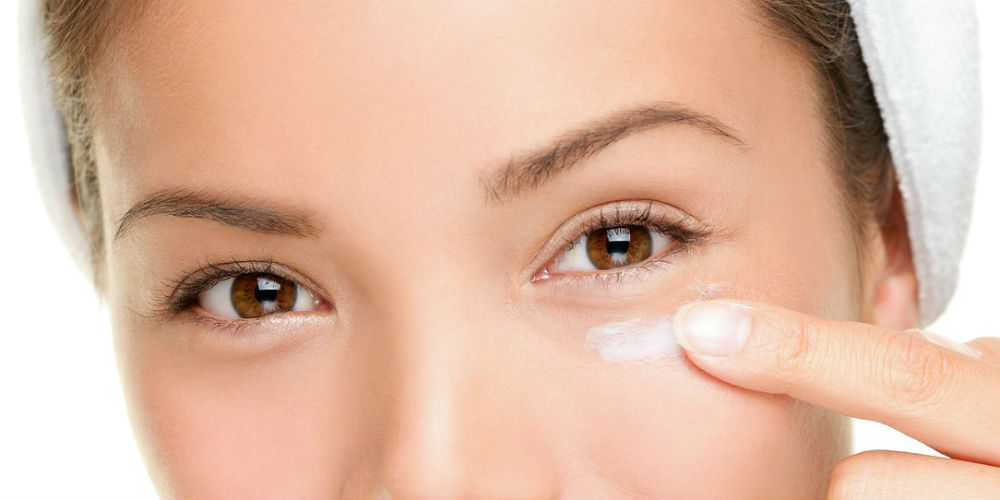
Red under eyes can come from allergies, rubbing, or a skin reaction such as eyelid dermatitis or eczema. Dark or purple skin there has other causes, such as allergic shiners. Finding and avoiding the trigger is the main step. See a doctor if it lasts.
Last updated 3 October 2026. This article summarizes guidance from Cleveland Clinic and the American Academy of Dermatology (AAD). It does not stand in for your own doctor’s advice.
What causes red under eyes?
The sources we checked do not give one list called “red under eyes.” They describe several conditions that can change the skin in that area. The main ones are below.
- Eyelid dermatitis, a contact reaction that can cause a red rash and swelling.
- Eczema (atopic dermatitis), which can affect the skin around the eyes.
- Allergies, which can cause red, itchy eyes and puffy skin.
- Rubbing, which can irritate the skin further.
Can allergies cause redness or dark circles here?
Yes, in some people. Cleveland Clinic says allergic conjunctivitis can cause itchy or burning eyes, puffy or swollen eyes, watery eyes and red eyes. It lists pollen, dust mites, mold spores, pet dander and chemicals or fragrances in personal care products as triggers.
Cleveland Clinic also describes allergic shiners. These are dark circles under the eyes that come from nasal allergies. It says they can look black, brown, purple or gray-blue, and may come with itchy eyes and a stuffy nose.
Can eyelid dermatitis redden the skin below the eye?
Eyelid dermatitis, sometimes called eyelid eczema, is a contact reaction, says Cleveland Clinic. Symptoms include a red rash, scaly skin, swelling, itching, stinging, burning and blistering.
The reaction can be irritant or allergic. Triggers on its list include cosmetics, soaps, fragrances, false lashes, hair dye, eye drops and rubbing. Our page on eczema on the eyelids goes deeper.
What about eczema and rubbing?
The AAD says adults with atopic dermatitis often get thickened, discolored skin around the eyes. It also says frequent eye rubbing can change the shape of the cornea.
Cleveland Clinic counts eye rubbing and dermatitis among the causes of dark circles. Rubbing is a habit you can change, so try to keep your hands away from the area. Our guide to itchy eye relief offers more tips.
What can help?
Cleveland Clinic names these steps in its pages:
- Find and avoid your triggers. For eyelid dermatitis that means products, metals or other things that touch the area.
- Use products made for sensitive skin and avoid eye makeup while the skin heals.
- Keep your hands clean when touching the eyelids, and avoid scratching.
- For allergic shiners, use a cold compress for up to ten minutes, several times a day, and look into allergy care such as antihistamines or nasal sprays.
- For dark circles, Cleveland Clinic lists sleep, extra pillows and concealer as home options.
If you want to hide the color while you wait, read our page on covering up redness. Cleveland Clinic says to avoid eye makeup during eyelid dermatitis treatment, so speak to your provider first.
When should you see a doctor about red under eyes?
For eyelid dermatitis, Cleveland Clinic says to call a provider at the first sign of symptoms. A provider may prescribe a steroid cream or another medicine.
Also get checked if:
- Dark circles or swelling show up under just one eye. Cleveland Clinic says to call a provider.
- Dark circles last longer than a few weeks, according to Cleveland Clinic.
- You have eczema and eye symptoms last beyond a few days. The AAD advises seeing a dermatologist or ophthalmologist.
Frequently asked questions
Why is the skin red in the morning?
The pages we checked do not address morning redness, so we cannot say. Cleveland Clinic names allergies, eyelid dermatitis and rubbing among causes of changes around the eyes. If the redness keeps coming back, a provider can look for the trigger and suggest the right care.
Does lack of sleep cause the color change?
It can for dark circles, since Cleveland Clinic lists lack of sleep among the causes. For red skin, its pages point more to allergies and dermatitis. Getting seven or more hours of sleep is one of its home tips for dark circles. If the redness stays, have it checked.
Can makeup cause redness near the eyes?
It can. Cleveland Clinic lists cosmetics, false lashes, fragrances and hair dye among the possible triggers of eyelid dermatitis. If you think a product is the cause, stop using it and ask a provider or pharmacist. Avoid eye makeup while the skin is being treated.
Is it serious?
It depends on the cause. Cleveland Clinic says to call a provider about swelling or a dark circle under just one eye, because it may point to an underlying health condition. It also says to contact a provider for eyelid dermatitis as soon as you notice symptoms. A provider can tell you which cause applies.
Sources (all checked 3 October 2026)
- Cleveland Clinic, Eyelid Dermatitis, updated 25 October 2021.
- Cleveland Clinic, Allergic Shiners, updated 17 October 2023.
- Cleveland Clinic, Dark Circles Under the Eyes, updated 25 May 2022.
- Cleveland Clinic, Allergic Conjunctivitis, updated 7 August 2024.
- American Academy of Dermatology, Eye problems associated with adult eczema, page date not shown.
- American Academy of Dermatology, Atopic dermatitis symptoms, dated 10 October 2023.
Written by the Dry Skin Tips editorial team. We do not claim medical review of this article. If you have a skin or eye concern, see a qualified health professional.