

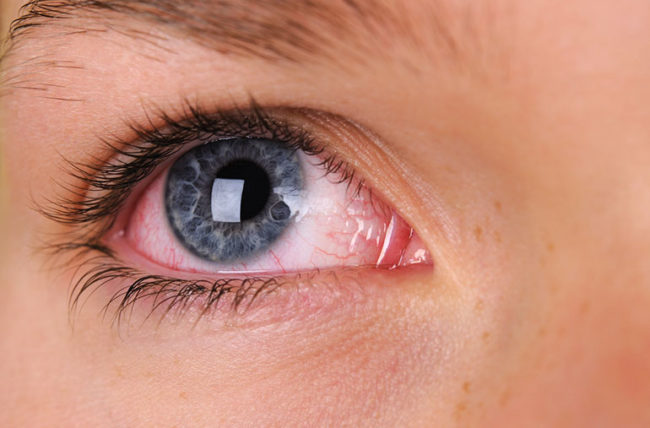
Itchy eyes are commonly linked to allergies, but irritants, contact lenses, eye strain and infections can also be behind them. Rinsing with water and a cold compress may ease mild itching. Itching that comes with severe pain, vision changes, or thick colored discharge needs a medical check.
Last updated 3 October 2026. This article summarizes guidance from Cleveland Clinic, the American Academy of Ophthalmology (AAO) and the American Academy of Dermatology (AAD). It cannot take the place of your own doctor’s advice.
Why are my eyes itchy so often during certain seasons?
Seasonal itching often points to an allergy. Cleveland Clinic explains that allergic conjunctivitis is a type of pink eye. It happens when allergens inflame the conjunctiva, the thin tissue that covers the white of the eye and lines the lids.
Among the common triggers Cleveland Clinic names are pollen, dust mites, mold spores and pet dander, plus chemicals or fragrances in personal care products. Symptoms can include itching or burning, puffiness, watering and redness.
What other things make eyes itch?
If you ask “why are my eyes itchy?” outside allergy season, allergies are not the only answer. In its guide to eye irritation, Cleveland Clinic lists eight common causes:
- Allergies
- Blocked tear ducts
- Contact lenses
- Digital eye strain
- Environmental irritants
- Foreign objects
- Infections
- Styes
If your eyes feel dry as well as itchy, our page on dry eyelids may help you sort out what is going on.
Is it allergy or an infection?
The AAO describes conjunctivitis as inflammation of the conjunctiva caused by infection or allergy. It says allergic conjunctivitis makes the eyes very itchy, red and watery, and it is not contagious. Cleveland Clinic agrees that allergic conjunctivitis is not contagious, unlike bacterial or viral types.
The AAO says bacterial conjunctivitis produces a thick, pus-like discharge and spreads easily through hand-to-eye contact. An eye doctor can tell which type you have.
What can you do at home?
For allergic conjunctivitis, Cleveland Clinic suggests three simple steps:
- Rinse your eyes with water.
- Hold a cold compress against them.
- Keep your hands away from your eyes.
For general eye irritation, Cleveland Clinic also lists warm compresses, rinsing with water, over-the-counter allergy medicine and artificial tears for dry eyes. Check the package or ask a pharmacist before using any medicine. For more ideas, see our guide to itchy eye relief.
Why is rubbing itchy eyes a bad idea?
Cleveland Clinic says to avoid touching your eyes. The AAD adds a specific warning for people with eczema. It says frequent eye rubbing can reshape the cornea into a cone-like form, a condition called keratoconus, which can cause blurred vision and changes to your glasses prescription.
If the skin around your eyes itches too, it may be a rash rather than the eye itself. Read about rash around the eyes.
When should you see a doctor about itchy eyes?
Cleveland Clinic recommends seeing a provider when eye irritation comes on suddenly and strongly, or drags on beyond a few days. It lists other warning signs:
- Discharge or “goop,” especially green or yellow.
- Sensitivity to light.
- Severe pain.
- Sudden vision loss.
- An eye injury, such as a hit, chemical splash, cut or puncture.
For allergic conjunctivitis, it says to see a provider, allergist or eye specialist if symptoms often get in the way of daily life. The AAO says to contact an ophthalmologist right away for moderate to severe pain, vision changes, strong light sensitivity or symptoms that get worse.
Frequently asked questions
Why are my eyes itchy but not red?
The sources we checked do not explain itching without redness, so we cannot say why. Cleveland Clinic lists several causes of eye irritation, including allergies, contact lenses and digital eye strain. If the itching lasts longer than a few days, or you notice pain or vision changes, see an eye care provider.
Can allergies make both eyes itch?
Yes, allergies are a common reason. Cleveland Clinic lists itchy or burning eyes, watery eyes and red eyes as symptoms of allergic conjunctivitis. Pollen, dust mites, mold spores and pet dander are among the triggers it names. Avoiding what sets it off is part of the care.
Is itchy eye contagious?
It depends on the cause. The AAO says allergic conjunctivitis is not contagious. Bacterial conjunctivitis spreads easily through hand-to-eye contact, and the AAO says viral conjunctivitis is very contagious. If you see discharge, ask a doctor which type you have.
How long do itchy eyes last?
Cleveland Clinic says minor eye irritation usually goes away in a day or two. It advises contacting a healthcare provider if symptoms last beyond a few days. Cleveland Clinic says to see a provider about allergic conjunctivitis if it keeps coming back and affects your daily life.
Sources (all checked 3 October 2026)
- Cleveland Clinic, Allergic Conjunctivitis, updated 7 August 2024.
- Cleveland Clinic, Eye Irritation, updated 13 January 2023.
- American Academy of Ophthalmology, Pink Eye (Conjunctivitis), published 25 June 2026.
- American Academy of Dermatology, Eye problems associated with adult eczema, page date not shown.
Written by the Dry Skin Tips editorial team. We do not claim medical review of this article. If you have a skin or eye concern, see a qualified health professional.