

What causes dry skin? In most cases, skin dries out when it loses water faster than it can replace it. The American Academy of Dermatology (AAD) points to everyday triggers such as long hot showers, harsh soaps, cold dry air and aging. Certain medicines and health problems can add to it. Here are nine common triggers.
What causes dry skin in the first place?
Healthy skin holds on to water with the help of natural oils and fats. According to the AAD, skin turns dry once it loses water quicker than it can hold it, and several different things can cause that.
So whether you ask what causes dry skin or simply “why is my skin dry?”, the honest answer is usually a mix of causes working together. A person may have cold weather, hot showers and a drying soap all in the same week. The good news is that many of these triggers are things you can change.
Treat this article as background reading, not a diagnosis. If you are worried about your skin, the final section explains when to talk to a doctor.
What causes dry skin in daily life? The first four triggers
The first group of dry skin causes is about habits and surroundings. These are the triggers most people can adjust without any special products.
1. Long, hot showers and baths
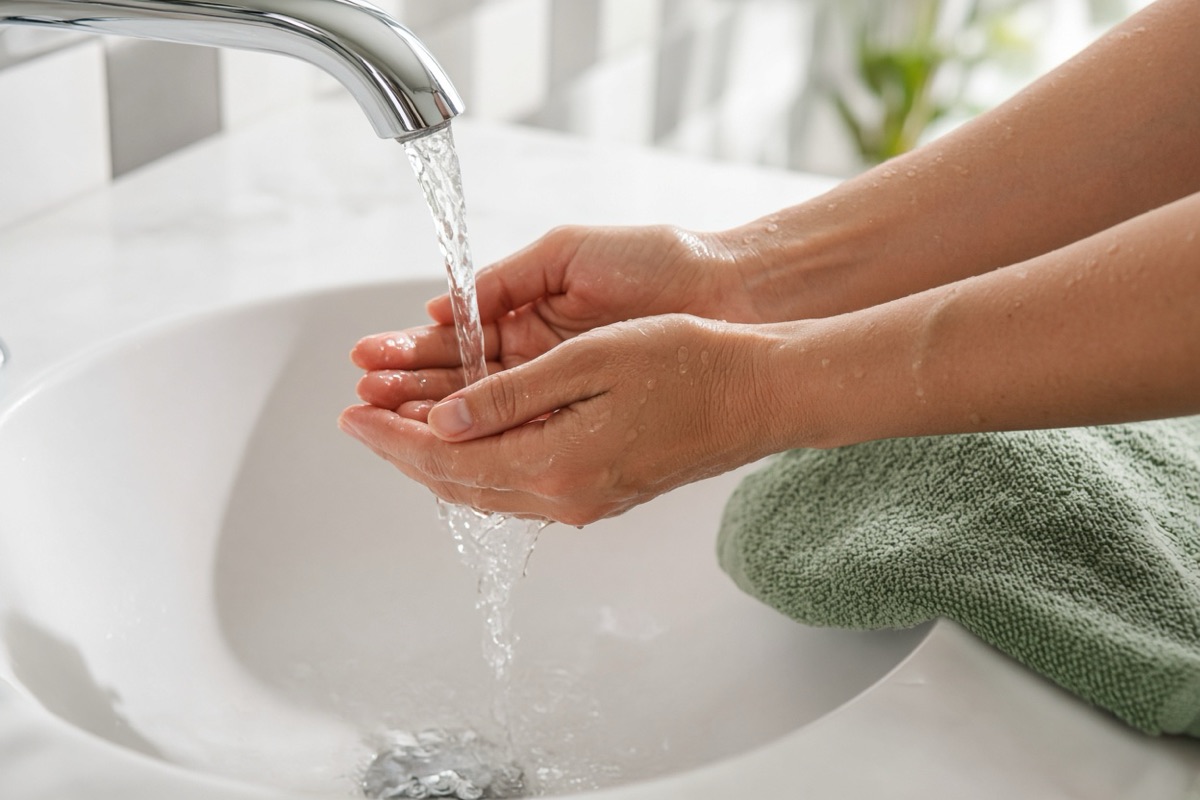
The AAD lists long, hot showers as a common way to dry out the skin. Its own advice for dry skin is to keep baths and showers to five to ten minutes in warm water. It also advises dabbing the skin with a towel rather than rubbing, which can aggravate very dry skin.
2. Harsh soaps and cleaning products
Per the AAD, the oils and fats in your skin can be stripped away by deodorant soaps and strong cleaning products. The NHS makes a similar point: everyday soaps, shampoos and shower gels usually dry out the skin.
The AAD also says that a product labeled “unscented” can still contain chemicals that hide odors, and these can irritate dry, sensitive skin. It recommends choosing products labeled “fragrance-free.” Our guide to the best face wash for dry skin covers what to look for on a cleanser label.
3. Cold, dry air
Living in a cold, dry place can dry the skin, the AAD says. It adds that when the outdoor temperature falls, the air holds less moisture, and research links this to very dry skin. Indoor heating can add to the problem, which is why the AAD suggests a humidifier for dry skin and says to clean it regularly to prevent mold.
4. Getting older
Age is one of the biggest factors. By age 60, the AAD notes, almost everybody deals with dry skin. The AAD also explains that skin produces less sebum, a natural oil that keeps it soft, as the years pass. Output falls steeply by the 40s and keeps declining.
What causes dry skin on the hands and body?
Hands are usually the first place people notice dryness. The next two triggers explain why.
5. Frequent water contact and “wet work”
The AAD describes “wet work” as a job that means putting your hands in water often during the day or using harsh chemicals. It says hairdressers, nurses, housekeepers, cooks and florists are among the people who often develop very dry skin. Washing dishes or gardening can make already dry hands worse, the AAD adds, and gloves can help protect them.
If your hands are the main problem, see our page on the best hand cream for dry skin. For arms and legs, the body lotion for dry skin guide may help.
6. Rough or tight clothing
This one is easy to miss. The AAD says tight clothes such as leggings and body-hugging jeans rub the skin and can make dryness worse. It also notes that wool or polyester against the skin can irritate dry, sensitive skin, and it suggests loose cotton clothing instead.
Can medicines and health conditions explain what causes dry skin?
Sometimes the cause is not a habit at all. The AAD lists several medical reasons for very dry skin. Only a doctor can tell you whether any of these apply to you, so treat this section as a list of reasons to ask, not a way to diagnose yourself.
7. Certain medicines and treatments
The AAD says very dry skin is a possible side effect of several medicines, and it names statins and diuretics as examples. It also lists cancer treatment, including chemotherapy, targeted therapy and radiation, and dialysis as possible causes. If you take a prescription, keep taking it until the prescriber tells you otherwise. Talk to your doctor or pharmacist if you suspect a link.
8. Skin conditions and other health conditions
Among skin conditions that can leave skin extremely dry, the AAD names atopic dermatitis (eczema), ichthyosis, perioral dermatitis, psoriasis and seborrheic dermatitis. Diabetes, thyroid disease and kidney disease also appear on the AAD’s list of conditions tied to very dry skin. The NHS describes atopic eczema as skin that can be dry, cracked or scaly, and lists soap, detergents and heat among its possible triggers.
The AAD adds that people who had an itchy skin condition earlier in life, and many adults who had atopic dermatitis as children, have a higher chance of very dry skin.
9. Lifestyle factors: nutrition and smoking
The AAD says skin needs nutrients to stay healthy, and that not getting enough vitamin D, vitamin A, niacin, zinc or iron can lead to very dry skin. It also says cigarettes contain chemicals that speed up skin aging, which makes skin drier. If you think your diet may be missing something, ask a doctor before taking supplements.
Who is more likely to have dry skin?
The AAD says some people have a higher risk of very dry skin. Based on its list, you may be more likely to have it if you:
- Are middle-aged or older
- Have brown, black or fair skin (the AAD says research shows these groups are more likely to develop very dry skin than people with a medium complexion)
- Work with water or harsh chemicals often
- Live where outdoor temperatures drop and the air is dry
- Take certain medicines or are having cancer treatment or dialysis
- Have a skin condition, diabetes, thyroid disease or kidney disease
Having one of these does not mean you will definitely get dry skin. It only means the chance may be a little higher.
What helps once you know what causes dry skin?
Once you know what causes dry skin in your own life, the next step is to remove or soften the trigger. The AAD says you can often improve dry skin by making changes, including moisturizing several times a day.
- Moisturize while the skin is damp. The AAD advises applying moisturizer after a shower or bath, after washing your hands and whenever skin feels dry.
- Choose creams or ointments over lotions. The AAD says they add more moisture, and the NHS notes lotions are thin and not very moisturizing.
- Replace the soap. For dry or itchy skin, the NHS suggests a leave-on emollient used in place of soap.
- Pat, don’t rub, and keep showers short and warm.
For a full step-by-step plan, read our skin care routine for dry skin. If you see dryness mainly around your nose, our guide to dry skin around the nose looks at that area. One safety note from the NHS: keep emollients away from fire, flames and cigarettes, because fabric that has touched an emollient can catch fire easily.
Frequently asked questions
Why does my face dry out?
The same triggers apply to the face: hot water, harsh or fragranced products and cold dry air. The NHS says hands and face are exposed to the elements more than other body parts, and suggests applying emollient to them regularly.
Why is my skin still dry after I moisturize?
If dryness continues after you have followed the AAD’s tips, the AAD says it is time to see a board-certified dermatologist. The dryness may be linked to an underlying medical condition, and treating that condition can bring relief.
What causes dry skin in winter?
The AAD explains that colder outdoor air holds less moisture, and research connects that to very dry skin. It suggests gloves to protect hands from cold, dry air and a clean humidifier at home.
Can dry skin point to a health problem?
Usually it is caused by everyday things, but not always. Diabetes, thyroid disease and kidney disease are on the AAD’s list of possible links. That is no reason to assume you have one of them, and a doctor can check.
Does age change what causes dry skin?
Yes. As we age, the AAD says, skin makes less sebum, and by 60 almost everyone has some dryness.
When should dry skin send you to a doctor?
The AAD says to see a board-certified dermatologist if you still have dry skin after trying its recommended tips, because an underlying medical condition may be the cause. It also notes that very dry skin can flake, itch, crack and even bleed, and that an untreated condition can get worse.
The AAD also asks you to tell your dermatologist if anything you apply, even a moisturizer, causes burning, stinging or irritation. The NHS says to speak to a GP, nurse or pharmacist if an emollient causes a lasting burning or stinging feeling, or if a skin condition is severe and needs stronger treatment.
Treat this article as background reading, not a diagnosis. A doctor can find the real cause of your dry skin.
Sources: AAD, Dry skin: Who gets and causes; AAD, Dermatologists’ top tips for relieving dry skin; NHS, Emollients; NHS, Atopic eczema. All checked 7 October 2026.