

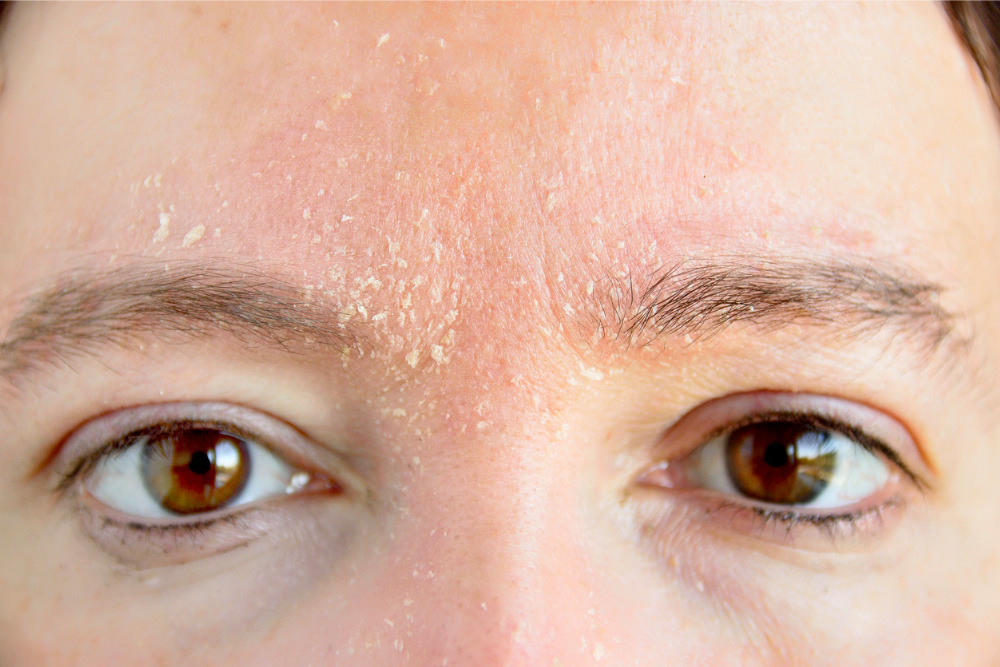
Dry skins spots are small areas where the skin feels rough, tight or flaky. Weather, age, harsh washing habits and some health conditions can all play a part. Gentle cleansing and regular moisturizing help many mild cases. Spots that itch a lot, spread or do not improve need a doctor to take a look.
Last updated 3 October 2026. This article summarizes guidance from the American Academy of Dermatology, Cleveland Clinic and others. It describes what those groups publish and does not replace advice from your own doctor.
What do dry skins spots look like?
Cleveland Clinic describes dry skin as cracked, rough, tight, flaking, scaling or itchy. The skin may also look lighter or darker than your normal tone, or red to purple. It says dry skin often shows up on the hands, feet, face, elbows and legs.
So a “spot” can be a small rough area on any of those places.
What causes dry skins spots?
Cleveland Clinic names several causes:
- Age. The oil glands that keep skin moist produce less as you get older.
- Climate. Dry air, desert-like places, and cold and windy weather.
- Health conditions. Allergies, eczema, diabetes and kidney disease can cause dry skin as a symptom.
- Work. Frequent handwashing, outdoor work or contact with chemicals raises the risk.
The AAD adds that you should keep baths and showers short, in warm water, and avoid products that contain alcohol, fragrance or retinoids.
Could dry skins spots be eczema or another skin condition?
Sometimes. The AAD says atopic dermatitis, the most common type of eczema, begins with very itchy skin. It can cause dry, scaly patches. On lighter skin tones, the rash looks red. On darker skin tones, the AAD describes small, rough bumps, with skin that looks dark brown, purple or grayish.
Cleveland Clinic lists seborrheic dermatitis as a different cause of flaky spots. It says seborrheic dermatitis can cause white to yellow flaking and thick, scaly patches, and that it is not contagious.
Plain dry skin is usually treated with moisturizer. Eczema or seborrheic dermatitis may need other treatment, so a doctor should decide which one you have. If you suspect eczema, our page on eczema treatment over the counter has more.
How can you care for dry skins spots at home?
The AAD gives these tips for dry skin:
- Keep baths and showers to five to ten minutes in warm water.
- Use a gentle cleanser, applied only where needed.
- Apply moisturizer several times a day.
- Use a humidifier to raise the humidity at home.
- Protect exposed spots outdoors with a sunscreen that covers UVA and UVB rays, rated SPF 30 or above.
- Wear gloves when your hands will be in water.
- For eczema-prone skin, the AAD suggests loose-fitting 100% cotton clothing and no wool next to the skin.
Cleveland Clinic says moisturizers are the main treatment for most types of dry skin. It suggests applying one when you wake up and after a shower or bath. For the face, see our guides to dry skin patches on the face and face wash for dry, sensitive skin.
What should you look for in a moisturizer?
The AAD leans toward thicker ointments or creams without fragrance, not thin lotions. Its ingredient examples include glycerin, hyaluronic acid, lanolin, petrolatum, shea butter and dimethicone, among others. Cleveland Clinic names emollients and ingredients that lock in moisture, such as petroleum jelly.
Read the label. If a product stings or makes the spots worse, stop using it and ask a pharmacist or doctor what suits your skin. Our page on why skin stays dry even when you moisturize covers that problem.
When should you see a doctor about dry skins spots?
The AAD says dry skin that lasts after you follow its tips may point to an underlying condition such as atopic dermatitis, psoriasis or kidney disease. It warns that without treatment, both the dry skin and the condition can get worse.
Cleveland Clinic says to call a provider if your skin:
- Itches constantly and gets in the way of sleep or daily activities.
- Looks infected, meaning red, warm or swollen.
Frequently asked questions
Are dry skins spots the same as eczema?
Not always. Cleveland Clinic lists eczema as one health condition that can cause dry skin, but dry skin also comes from weather, age and habits. The AAD says eczema usually starts with very itchy skin and can cause dry, scaly patches. Only an exam can tell which one you have, so ask a doctor if you are unsure.
Do dry spots need a special cream?
For most dry skin, Cleveland Clinic says moisturizers are the main treatment. The AAD points to creams or ointments that are free of fragrance. If spots stay after you follow those steps, the AAD says to see a dermatologist, because another condition may need different treatment.
Can weather cause dry spots on skin?
Yes. Cleveland Clinic names climates without much humidity, such as deserts, and cold, windy weather as causes of dry skin. The AAD suggests a humidifier at home and sunscreen outdoors. Warm, not hot, showers also help protect the moisture in your skin.
Is seborrheic dermatitis contagious?
No. Cleveland Clinic says you cannot pass seborrheic dermatitis to someone else. It says triggers include stress, cold dry weather, harsh chemicals and alcohol-based skin products. Cleveland Clinic says to talk to your provider if symptoms get worse or you have a flare-up.
Sources (all checked 3 October 2026)
- American Academy of Dermatology, Dermatologists’ top tips for relieving dry skin, updated 2 January 2026.
- Cleveland Clinic, Dry Skin (Xeroderma), updated 23 June 2022.
- American Academy of Dermatology, Coping with atopic dermatitis, updated 10 October 2023.
- American Academy of Dermatology, Atopic dermatitis symptoms, page date not shown.
- Cleveland Clinic, Seborrheic Dermatitis, updated 16 July 2025.
Written by the Dry Skin Tips editorial team. We do not claim medical review of this article. If you have a skin concern, see a qualified health professional.