

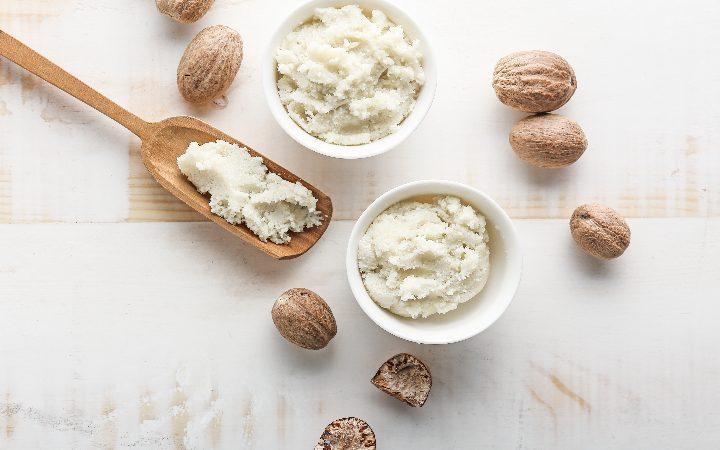
Is shea butter good for face skin? For dry skin, often yes. Cleveland Clinic says its fatty acids help hold moisture in, and the American Academy of Dermatology (AAD) lists it as a helpful moisturizer ingredient. Cleveland Clinic also warns it may clog pores, so it is not a good fit for acne-prone skin.
Last updated 3 October 2026. This article summarizes guidance from Cleveland Clinic and the American Academy of Dermatology. It is no stand-in for a visit with your own doctor.
What is shea butter?
Cleveland Clinic describes shea butter as a creamy fat that comes from the nuts of shea trees in Africa. It is solid at room temperature and melts when it touches the skin, in the way coconut oil does.
Is shea butter good for face care when your skin runs dry?
Cleveland Clinic says shea butter has fatty acids that lubricate the skin and form a barrier to keep moisture in. It also says shea butter has substances that ease swelling and redness.
The AAD names shea butter, along with petrolatum, glycerin, hyaluronic acid and jojoba oil, among helpful ingredients in creams and ointments for dry skin. The AAD adds that creams and ointments supply more moisture than lotions.
For more on dry patches on the face, see our guide to dry skin patches on the face.
Can shea butter help eczema?
Cleveland Clinic says one study found shea butter reduced eczema symptoms better than petroleum products. It links this to the linoleic acid in shea butter. That is a single study mentioned on a patient page, so do not treat it as settled. If you have eczema, ask your doctor which moisturizer to use alongside any prescribed treatment.
Who needs to be cautious about putting shea butter on the face?
Cleveland Clinic points to three groups.
-
Acne-prone skin. It calls shea butter a poor option for these skin types, since it may clog pores and lead to more breakouts.
-
Seborrheic dermatitis or dandruff. It says the yeast linked to dandruff can grow in shea butter.
-
Allergy to latex. It says raw shea butter contains latex. People who are allergic to latex should avoid it or use only refined shea butter.
Cleveland Clinic also says shea butter is safe for people with nut allergies, because it is made entirely of fat and is allergen-free. That is its statement. If you have a severe allergy, check with your allergist first.
Can shea butter stand in for sun protection?
Not enough. Cleveland Clinic says shea butter has an SPF of about three or four, which is too low to prevent sun damage or sunburn on its own. Use a proper sunscreen in the daytime.
How do you choose a shea butter product?
Cleveland Clinic says raw shea butter has more nutrients, while refined shea butter is processed and loses a compound called cinnamic acid. It does not give a verdict on which is better for the face. For a sensitive face, our guide to gentle face wash for dry, sensitive skin may help. If dryness lingers even with moisturizer, read why skin stays dry even when you moisturize. Our page on face oils for dry skin compares other options.
When to see a doctor
The AAD says dry skin that does not improve with home care may point to a condition such as atopic dermatitis, psoriasis or kidney disease. See a doctor or dermatologist if dryness persists. Also stop a product and get advice if you get new breakouts, rash or itching after using it.
Frequently asked questions
Is shea butter good for face skin if you break out easily?
Not really. Cleveland Clinic calls it a poor fit for acne-prone skin, because the butter may block pores and bring more breakouts. The AAD suggests that people with oily skin look for products labeled “oil free” and “noncomedogenic.” See a dermatologist if breakouts do not settle.
Can you use shea butter with a tree nut allergy?
Cleveland Clinic says yes, because shea butter is made entirely of fat and is allergen-free. Allergy to latex is a separate issue. It says raw shea butter contains latex, so anyone allergic to latex should skip raw shea butter or use only the refined kind.
Does shea butter replace sunscreen?
No. Cleveland Clinic says its SPF is only about three or four, which is too low to prevent sun damage or sunburn by itself. Moisturizer and sunscreen do different jobs, so use both on exposed skin. Ask a pharmacist or doctor if you are unsure which sunscreen suits your face.
Which is the better pick, unrefined or refined shea butter?
Cleveland Clinic says raw shea butter has more nutrients, while refined shea butter is processed and loses cinnamic acid. That page does not say one is safer or better for facial skin, except that refined is the option it names for people with latex allergy.
Sources (all checked 3 October 2026)
-
Cleveland Clinic, 6 Shea Butter Benefits for Skin, updated 19 October 2022.
-
American Academy of Dermatology, Dermatologists’ top tips for relieving dry skin, updated 2 January 2026.
-
American Academy of Dermatology, How to control oily skin, updated 3 September 2024.
Written by the Dry Skin Tips editorial team. We do not claim medical review of this article. If you have a skin concern, see a qualified health professional.